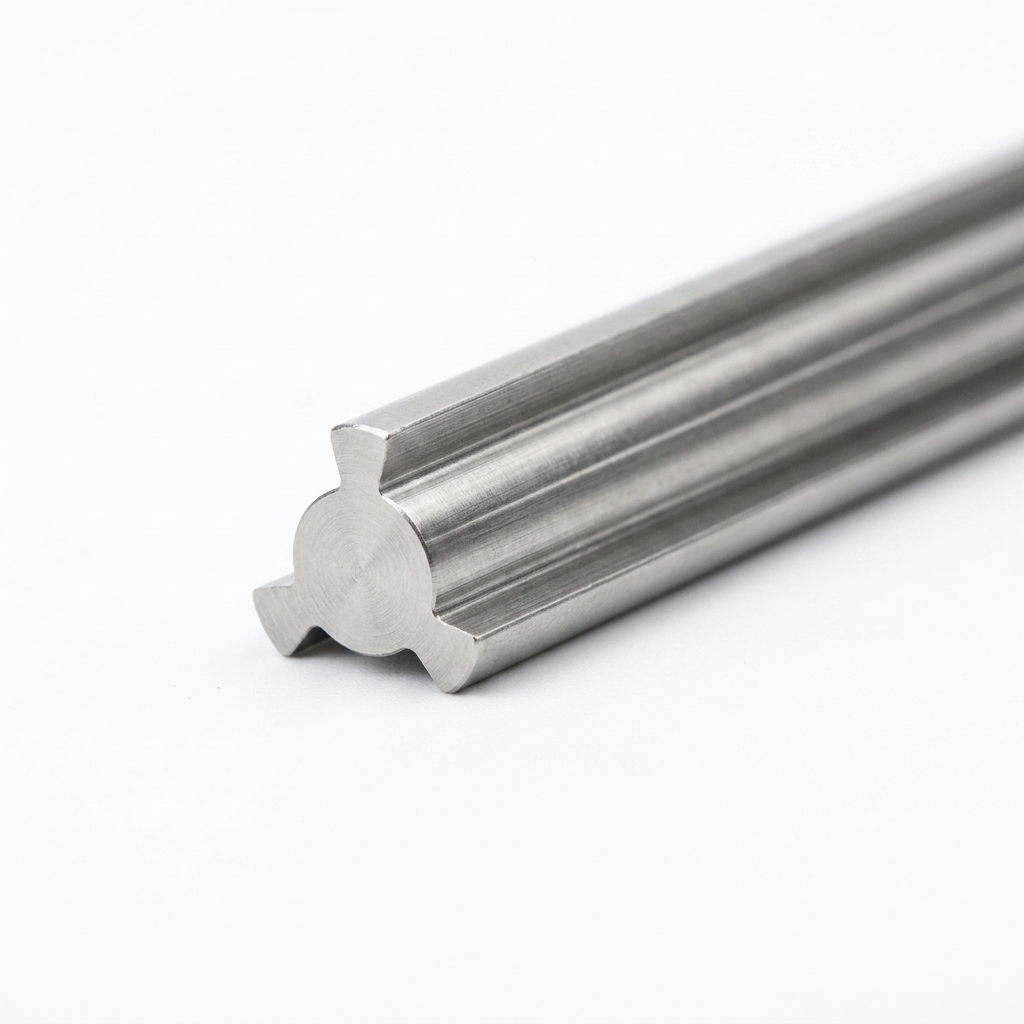
Practical Guide to Selecting Titanium Grades for Acidic Service in the Middle East. Learn how Gr.2, Gr.5, Gr.7, Gr.12, and Gr.28 meet NACE MR0175/ISO 15156 requirements for oil and gas applications.
In acidic environments, selecting the wrong material is a ticking time bomb.
The operating conditions in the Middle East's oil and gas fields are globally renowned—not only for high temperatures and pressures, but critically due to the widespread presence of hydrogen sulfide (H₂S) in formation fluids. H₂S is not only highly toxic; it also poses a lethal threat to metallic materials through sulfide stress cracking (SSC). Once cracking occurs, consequences range from pipeline leaks and equipment shutdowns to explosions and loss of life. Therefore, in Middle Eastern oil and gas projects, material selection is never about cost—it is a matter of safety.
NACE MR0175/ISO 15156 is the internationally recognized standard for material selection in sour oil and gas fields, defining the operating limits of various materials in sour environments. For many traditional metals, the standard imposes strict hardness limits, heat treatment requirements, and environmental constraints. Titanium alloys are considered to have very low susceptibility to sulfide stress cracking under this standard and provide reliable performance within their applicable conditions.
In Middle Eastern countries such as Saudi Arabia, the UAE, and Qatar, selecting materials for sour service conditions is increasingly critical for offshore platforms and gas processing facilities. In recent years, oil and gas companies and EPC contractors in the region have been adopting titanium alloys more frequently for projects including sour gas field development, gas processing plants, sour service pipelines, and downhole tools. Based on our experience supplying titanium products to industrial clients in the Middle East and other regions, customers typically choose titanium for three core reasons: high resistance to sulfide stress cracking under applicable conditions, excellent corrosion resistance, and relatively low maintenance costs over the full lifecycle.
Material Comparison: Titanium vs. Stainless Steel vs. Nickel Alloys in Acidic Environments
When procurement engineers evaluate materials for acidic service, they typically compare several key options. The table below provides a general reference:
Material Category | Typical Grade Examples | Key Benefits | Limitations in severe acidic chloride environments |
Austenitic stainless steel | 316L | Lower cost, mature processing | May be limited by pitting and stress corrosion cracking in high-temperature, high-chloride acidic environments. |
Duplex stainless steel | 2205, 2507 | High strength, excellent chlorine resistance | In severe acidic operating conditions, hardness limits and the applicable window must be strictly evaluated. |
Nickel-based alloy | Inconel 625, C-276 | Excellent corrosion resistance | High cost and heavy weight |
Titanium alloy | Gr.2, Gr.5, Gr.7, Gr.12, Gr.28 | Lightweight + Corrosion-resistant + High Resistance to Sulfide Stress Cracking | Higher initial procurement costs |
In acidic environments containing hydrogen sulfide, carbon dioxide, and chlorides, titanium alloys offer a unique balance of performance, making them ideal for weight-sensitive or maintenance-cost-sensitive applications.
Why Titanium Excels in Acidic Environments
1. Extremely low susceptibility to sulfide stress cracking
Titanium alloys exhibit high resistance to sulfide stress cracking in the acidic environments and temperature ranges covered by NACE MR0175/ISO 15156. The standards recognize that many titanium alloys can be used when exposed to acidic fluids under specific metallurgical conditions. This allows design engineers to leverage titanium's strength advantages while significantly reducing the risk of sudden brittle failure.
2. Excellent resistance to both general and localized corrosion
Beyond crack resistance, titanium also demonstrates excellent performance in resisting general corrosion, pitting, and crevice corrosion in acidic environments containing chloride ions, hydrogen sulfide, and carbon dioxide. In produced water from many gas fields in the Middle East, high chloride concentrations combined with low pH can expose traditional stainless steels (including duplex grades) to risks of pitting and stress corrosion cracking. Titanium—particularly Pd-alloyed Gr.7 and Gr.28—offers a higher safety margin under these conditions.
3. High specific strength for deep-well and high-pressure designs
Titanium's low density and high strength make it ideal for downhole tools, valve components, and lightweight structural parts. In deep and ultra-deep well environments, reducing tubing weight significantly lowers demands on surface equipment. Additionally, titanium alloys' lower modulus of elasticity provides advantages when subjected to bending and vibrational loads.
Common Titanium Alloy Grades for Acidic Environments
Different titanium alloy grades vary in corrosion resistance, strength, and cost. For acidic environments, selection typically focuses on the following grades:
Grade | Key Benefits | Typical Acidic Environment Applications | NACE MR0175 Related Information |
Gr.2 | Excellent corrosion resistance with high cost-effectiveness | Heat exchangers, pipelines, and corrosion-resistant components | Performs well within applicable conditions |
Gr.5 (Ti-6Al-4V) | High-strength, mature craftsmanship | Fasteners, valve components, downhole tools, structural parts | Applicable conditions must be confirmed based on the specific grade and service environment. |
Gr.7 (Ti-0.2Pd) | Excellent pitting corrosion resistance | Heat exchangers, tube sheets, linings for highly corrosive environments | Widely used in highly corrosive environments |
Gr.12 (Ti-0.3Mo-0.8Ni) | Cost-effective Corrosion-Resistant Alloys | Pipes, containers, and moderately severe acidic environments | Please confirm based on specific environmental conditions. |
Gr.28 (Ti-3Al-2.5V-0.1Ru) | High-strength + Corrosion-resistant | Downhole tubing, casing, and high-specification components | One of the preferred grades commonly used in acidic environments |
Additionally, higher-strength titanium alloys such as Gr.19 (Ti-3Al-8V-6Cr-4Zr-4Mo) and Gr.29 are used in downhole tools for extreme acidic environments. However, these grades come at a higher cost and require careful evaluation based on specific project requirements.
Requirements for Titanium Alloys and Procurement Considerations per NACE MR0175
For titanium alloys covered by NACE MR0175/ISO 15156, the specific metallurgical condition and applicable restrictions must be verified based on the exact material grade and actual service environment. When procuring, pay close attention to the following points:
1. Metallurgical Condition and Heat Treatment
Different titanium alloy grades may have varying metallurgical state requirements under NACE MR0175. Suppliers must provide complete heat treatment records to verify that materials were processed correctly. For specific components, subsequent machining and welding can also affect crack resistance; therefore, weld procedure qualification and post-weld treatments are equally critical.
2. Environmental Conditions Assessment
While titanium alloys exhibit high resistance to acidic environments, they are not immune to evaluation under all conditions. When procuring, provide suppliers with complete operating parameters: hydrogen sulfide partial pressure, carbon dioxide partial pressure, temperature, pH, chloride concentration, and the presence of elemental sulfur. Special operating conditions outside typical standard ranges may require a suitability assessment by a specialized agency.
3. Material Certificate and Traceability
NACE MR0175 compliance must be verified through material test certificates. For each lot supplied, the following should be requested:
Chemical Composition Analysis Report
Mechanical Properties Test Report (including room temperature tensile and hardness tests)
Heat Treatment Record
NACE MR0175/ISO 15156 Compliance Statement
If welding is involved, submit the Welding Procedure Specification (WPS) and welder qualifications.
Provide PMI material certification report per project requirements.
For Middle East projects, EPC contractors and end users often require suppliers to hold ISO 9001 certification; some projects may also mandate API Q1 or prequalification with specific oil companies. Confirming these requirements in advance helps prevent delivery delays.
4. Applicable Standards
Supply of titanium materials for oil and gas projects typically references the following ASTM standards:
ASTM B265 — Titanium and Titanium Alloy Plate, Sheet, and Strip
ASTM B348 — Titanium and Titanium Alloy Bars (for Machining Fasteners and Parts)
ASTM B381 — Forged Titanium and Titanium Alloys
ASTM B861 — Seamless Titanium Pipe
ASTM B862 — Titanium Welded Pipe
ASTM B338 — Titanium Heat Exchanger Tubes
ASTM B367 — Castings of Titanium and Titanium Alloys (for Valve and Equipment Components)
When requesting a quote, clearly specify the standard, grade, dimensions, quantity, and NACE MR0175 compliance requirements. Provide operating conditions to confirm material suitability.
Key Criteria for Selecting Titanium Suppliers in Middle East Oil & Gas Projects
The Middle East oil and gas market maintains rigorous supplier audits. Buyers evaluate not only the product but also the supplier's overall reliability and compliance capabilities.
1. Are you familiar with documentation requirements in the oil and gas industry?
Suppliers who understand and comply with Middle East project documentation requirements significantly reduce communication costs. Complete, traceable material certificates and compliance declarations are non-negotiable.
2. Can you provide the complete documentation package?
As noted earlier, NACE MR0175 compliance requires a complete set of supporting documentation. Suppliers must be able to provide authentic, traceable material certificates, heat treatment records, and compliance declarations. The absence of these documents is often why an offer appears attractive but carries significant risk.
3. Do you agree to third-party inspection?
Middle Eastern projects often require third-party inspection agencies (e.g., SGS, TÜV, Bureau Veritas, Intertek) to conduct on-site inspections or witness testing. Suppliers who actively cooperate with this process demonstrate confidence in their product quality and align with the procurement practices of Middle Eastern buyers.
4. Reliable delivery timelines and logistics capabilities
Oil and gas projects have long cycles, but once procurement begins, delivery timelines are often tight. Suppliers must maintain adequate inventory or demonstrate flexible production scheduling, while also managing complex customs clearance and documentation requirements for Middle East destinations.
Yuchenghai supports customers in the Middle East and other regions selecting titanium for demanding industrial applications. We supply plates, bars, pipes, and forgings in grades Gr.175, Gr.2, Gr.5, Gr.7, and Gr.12 compliant with NACE MR0175. Third-party inspection is available, and we provide full compliance documentation packages.
Frequently Asked Questions
Q1: Which titanium alloys are explicitly covered by NACE MR0175?
Titanium alloys covered by NACE MR0175/ISO 15156 include, but are not limited to, Gr.2, Gr.5, Gr.7, Gr.12, Gr.19, Gr.28, and Gr.29. Refer to the relevant tables in the standard and service environment limitations for applicability of specific grades.
Q2: Is hydrogen embrittlement completely negligible for titanium alloys in acidic environments?
Titanium alloys exhibit very low susceptibility to hydrogen-induced cracking in the sour environments and typical operating conditions covered by NACE MR0175/ISO 15156. However, under extreme conditions (such as high cathodic charging or the presence of certain chemicals that promote hydrogen absorption), there is a risk of hydrogen embrittlement. For service conditions outside the standard typical ranges, a suitability assessment by a qualified professional organization is required.
Q3: What is the difference in palladium and nickel content between Gr.7 and Gr.12, and how does this affect performance in acidic environments?
Gr.7 contains approximately 0.12%–0.25% palladium, primarily enhancing corrosion resistance in reducing acidic environments. Gr.12 includes 0.2%–0.4% molybdenum and 0.6%–0.9% nickel, improving resistance to crevice corrosion at a lower cost than Gr.7. In highly aggressive acidic environments with significant chloride ions and potential crevices, Gr.7 performs better; for moderately severe conditions, Gr.12 offers a more economical solution.
Q4: What documents must suppliers provide to demonstrate NACE MR0175 compliance?
Typically required: material certificates (chemical composition and mechanical properties), heat treatment records, NACE MR0175 compliance statement, non-destructive testing reports (e.g., ultrasonic testing), and weld procedure qualification records if welding was performed. A PMI material verification report may also be required depending on project specifications. All documents must be traceable to the heat/lot number.
Q5: Can your titanium be used for downhole tools?
Yes. We supply round bars and forgings in Gr.5, Gr.28, and other grades that meet NACE MR0175 requirements for downhole tools, valves, and fittings. We provide material recommendations and compliance documentation based on your specific operating conditions and standards.
Conclusion
Compromises on material selection are not acceptable in acidic environments. Thanks to its high resistance to sulfide stress cracking and superior corrosion resistance, titanium alloys have become an increasingly critical material choice for oil and gas projects in the Middle East. Whether for surface facilities or downhole tools, selecting the correct grade and ensuring a compliant supply chain are foundational to safe project operations.
If you're evaluating titanium alloy options for a Middle East oil and gas project, please send us your operating conditions and technical requirements for material selection guidance or full NACE MR0175 compliance documentation. We'll help you make reliable decisions.
[Send your operating conditions and technical specifications for material selection recommendations and quotes. We'll respond within 24 hours.]
(Yucheng Haitai Industry (Dongguan) Co., Ltd. | CNC Precision Titanium Rods | TA1 / TA2 / TC4 / TC4 ELI Titanium Rods |yuchenghaicompany.com)
English Version
Titanium for Sour Oil & Gas Service: NACE MR0175 Material Selection Guide for Middle East Projects
A practical guide to selecting titanium grades for sour service in the Middle East. Learn how Gr.2, Gr.5, Gr.7, Gr.12 and Gr.28 comply with NACE MR0175/ISO 15156 standards for oil and gas applications.
In acidic environments, selecting the wrong material is a ticking time bomb.
The operating conditions in Middle East oil and gas fields are globally renowned—not just for high temperatures and pressures, but crucially for the widespread presence of hydrogen sulfide (H₂S) in formation fluids. H₂S is not only highly toxic; it also poses a fatal threat to metallic materials through sulfide stress cracking. Once cracking occurs, consequences range from pipeline leaks and equipment shutdowns to explosions and loss of life. Therefore, in Middle East oil and gas projects, material selection is never about cost—it's a matter of safety.
NACE MR0175/ISO 15156 is the internationally recognized standard for material selection in sour oil and gas fields, defining the operating limits of various materials in sour environments. For many traditional metals, the standard imposes strict hardness limits, heat treatment requirements, and environmental constraints. Titanium alloys are considered to have very low susceptibility to sulfide stress cracking under this standard and provide reliable performance within their applicable conditions.
In Middle Eastern countries such as Saudi Arabia, the UAE, and Qatar, selecting materials for sour service conditions is increasingly critical for offshore platforms and gas processing facilities. In recent years, oil and gas companies and EPC contractors in the region have been choosing titanium alloys more frequently for projects including sour gas field development, gas processing plants, sour service pipelines, and downhole tools. Based on our experience supplying titanium products to industrial clients in the Middle East and other regions, customers typically choose titanium for three core reasons: high resistance to sulfide stress cracking under applicable conditions, excellent corrosion resistance, and relatively low maintenance costs over the entire lifecycle.
Material Comparison: Titanium vs. Stainless Steel vs. Nickel Alloys in Acidic Environments
When procurement engineers evaluate materials for acidic service, they typically compare several key options. The table below provides a general reference:
Material Category | Typical Grade Examples | Key Benefits | Limitations in severe acidic chloride environments |
Austenitic stainless steel | 316L | Lower cost, mature processing | May be limited by pitting and stress corrosion cracking in high-temperature, high-chloride acidic environments. |
Duplex stainless steel | 2205, 2507 | High strength, excellent chlorine resistance | In severe acidic operating conditions, hardness limits and the applicable window must be strictly evaluated. |
Nickel-based alloy | Inconel 625, C-276 | Excellent corrosion resistance | High cost and heavy weight |
Titanium alloy | Gr.2, Gr.5, Gr.7, Gr.12, Gr.28 | Lightweight + Corrosion-resistant + High Resistance to Sulfide Stress Cracking | Higher initial procurement costs |
In acidic environments containing hydrogen sulfide, carbon dioxide, and chlorides, titanium alloys offer a unique balance of performance, making them ideal for weight-sensitive or maintenance-cost-sensitive applications.
Why Titanium Excels in Acidic Environments
1. Extremely low susceptibility to sulfide stress cracking
Titanium alloys exhibit high resistance to sulfide stress cracking in the acidic environments and temperature ranges covered by NACE MR0175/ISO 15156. The standards recognize that many titanium alloys can be used when exposed to acidic fluids under specific metallurgical conditions. This allows design engineers to leverage titanium's strength advantages while significantly reducing the risk of sudden brittle failure.
2. Excellent resistance to both general and localized corrosion
Beyond crack resistance, titanium also demonstrates excellent performance in resisting general corrosion, pitting, and crevice corrosion in acidic environments containing chlorides, hydrogen sulfide, and carbon dioxide. In produced water from many Middle Eastern gas fields, high chloride concentrations combined with low pH can pose risks of pitting and stress corrosion cracking to conventional stainless steels (including duplex stainless steels). Titanium—particularly Grade 7 and Grade 28 alloyed with palladium—provides a higher margin of safety.
3. High specific strength for deep-well and high-pressure designs
Titanium's low density and high strength make it ideal for downhole tools, valve components, and lightweight structural parts. In deep and ultra-deep well environments, reducing tubing weight significantly lowers demands on surface equipment. Additionally, titanium alloys' lower modulus of elasticity provides advantages when subjected to bending and vibrational loads.
Common Titanium Alloy Grades for Acidic Environments
Different titanium alloy grades vary in corrosion resistance, strength, and cost. For acidic environments, selection typically focuses on the following grades:
Grade | Key Benefits | Typical Acidic Environment Applications | NACE MR0175 Related Information |
Gr.2 | Excellent corrosion resistance with high cost-effectiveness | Heat exchangers, pipelines, and corrosion-resistant components | Performs well within applicable conditions |
Gr.5 (Ti-6Al-4V) | High-strength, mature craftsmanship | Fasteners, valve components, downhole tools, structural parts | Applicable conditions must be confirmed based on the specific grade and service environment. |
Gr.7 (Ti-0.2Pd) | Excellent pitting corrosion resistance | Heat exchangers, tube sheets, linings for highly corrosive environments | Widely used in highly corrosive environments |
Gr.12 (Ti-0.3Mo-0.8Ni) | Cost-effective Corrosion-Resistant Alloys | Pipes, containers, and moderately severe acidic environments | Please confirm based on specific environmental conditions. |
Gr.28 (Ti-3Al-2.5V-0.1Ru) | High-strength + Corrosion-resistant | Downhole tubing, casing, and high-specification components | One of the preferred grades commonly used in acidic environments |
Additionally, higher-strength titanium alloys such as Gr.19 (Ti-3Al-8V-6Cr-4Zr-4Mo) and Gr.29 are used in downhole tools for extreme acidic environments. However, these grades come at a higher cost and require careful evaluation based on specific project requirements.
Requirements for Titanium Alloys and Procurement Considerations per NACE MR0175
For titanium alloys covered by NACE MR0175/ISO 15156, the specific metallurgical condition and applicable restrictions must be verified based on the exact material grade and actual service environment. When procuring, pay close attention to the following points:
1. Metallurgical Condition and Heat Treatment
Different titanium alloy grades may have distinct metallurgical condition requirements under NACE MR0175. Suppliers must provide complete heat treatment records to verify that materials were processed correctly. For specific components, subsequent machining and welding can also affect crack resistance; therefore, welding procedure qualification and post-weld treatments are equally critical.
2. Environmental Conditions Assessment
Although titanium alloys exhibit high resistance to acidic environments, they are not universally exempt from evaluation. When procuring, provide suppliers with complete operating parameters: partial pressure of H₂S, partial pressure of CO₂, temperature, pH, chloride ion concentration, and the presence of elemental sulfur. Special conditions outside typical standard ranges may require suitability assessment by a specialized agency.
3. Material Certificate and Traceability
NACE MR0175 compliance must be verified through material test certificates. For each supply lot, the following shall be required:
Chemical Composition Analysis Report
Mechanical Property Test Report (including room-temperature tensile and hardness tests)
Heat Treatment Record
NACE MR0175/ISO 15156 Compliance Statement
If welding is required, submit the Welding Procedure Specification (WPS) and welder qualifications.
Provide PMI material certification report as per project requirements.
For Middle East projects, EPC contractors and end users often require suppliers to hold ISO 9001 certification; some projects may also mandate API Q1 or prequalification with specific oil companies. Confirming these requirements early helps prevent delivery delays.
4. Applicable Standards
Titanium supply for oil and gas projects typically references the following ASTM standards:
ASTM B265 — Plates, Sheets, and Strips of Titanium and Titanium Alloys
ASTM B348 — Titanium and Titanium Alloy Bars (for Machining Fasteners and Parts)
ASTM B381 — Forgings of Titanium and Titanium Alloys
ASTM B861 — Seamless Titanium Pipe
ASTM B862 — Titanium Welded Pipe
ASTM B338 — Titanium Heat Exchanger Tubes
ASTM B367 — Castings of Titanium and Titanium Alloys (for Valve and Equipment Components)
When requesting a quote, clearly specify the standard, grade, dimensions, quantity, and NACE MR0175 compliance requirements. Provide operating conditions to confirm material suitability.
Key Criteria for Selecting Titanium Suppliers in Middle East Oil & Gas Projects
The Middle East oil and gas market maintains rigorous supplier audits. Buyers evaluate not only the product but also the supplier's overall reliability and compliance capabilities.
1. Are you familiar with documentation requirements in the oil and gas industry?
Suppliers who understand and comply with Middle East project documentation requirements significantly reduce communication costs. Complete, traceable material certificates and compliance declarations are non-negotiable.
2. Can you provide the complete documentation package?
As noted earlier, NACE MR0175 compliance requires a complete set of supporting documentation. Suppliers must be able to provide authentic, traceable material certificates, heat treatment records, and compliance declarations. The absence of these documents is often why an offer appears attractive but carries significant risk.
3. Do you agree to third-party inspection?
Middle Eastern projects often require third-party inspection agencies (e.g., SGS, TÜV, Bureau Veritas, Intertek) to conduct on-site inspections or witness testing. Suppliers who actively cooperate with this process demonstrate confidence in their product quality and align with the procurement practices of Middle Eastern buyers.
4. Reliable delivery timelines and logistics capabilities
Oil and gas projects have long cycles, but delivery timelines become critical once procurement begins. Suppliers must maintain adequate inventory or possess flexible production scheduling capabilities, while also handling complex customs clearance and documentation requirements for Middle Eastern destinations.
Yuchenghai supports customers in the Middle East and other regions in selecting titanium for demanding industrial applications. We supply plates, bars, tubes, and forgings of Gr.2, Gr.5, Gr.7, Gr.12, and Gr.28 grades compliant with NACE MR0175. Third-party inspection is available, and we provide a full compliance documentation package.
Frequently Asked Questions
Q1: Which titanium alloys are explicitly covered by NACE MR0175?
Titanium grades covered by NACE MR0175/ISO 15156 include, but are not limited to, Gr.2, Gr.5, Gr.7, Gr.12, Gr.19, Gr.28, and Gr.29. Refer to the relevant tables in the standard and service environment limitations for specific grade applicability.
Q2: Is hydrogen embrittlement completely negligible for titanium alloys in acidic environments?
Titanium alloys exhibit very low susceptibility to hydrogen-induced cracking (HIC) in the sour environments and typical operating conditions covered by NACE MR0175/ISO 15156. However, under extreme conditions—such as high cathodic charging or the presence of certain chemicals that promote hydrogen absorption—there is a risk of hydrogen embrittlement. For service conditions outside the standard typical range, suitability assessments must be conducted by qualified third-party organizations.
Q3: What is the difference in palladium and nickel content between Gr.7 and Gr.12, and how does this affect performance in acidic environments?
Gr.7 contains approximately 0.12%–0.25% palladium, primarily enhancing corrosion resistance in reducing acidic environments. Gr.12 includes 0.2%–0.4% molybdenum and 0.6%–0.9% nickel, improving resistance to crevice corrosion at a lower cost than Gr.7. In highly aggressive acidic environments with significant chloride levels and potential crevices, Gr.7 offers superior performance; for moderately severe conditions, Gr.12 is the more economical choice.
Q4: What documents must suppliers provide to demonstrate NACE MR0175 compliance?
Typically required: Material certificates (chemical composition and mechanical properties), heat treatment records, NACE MR0175 compliance statement, non-destructive testing reports (e.g., ultrasonic testing), and weld procedure qualification records if welding is involved. A PMI material verification report may also be required depending on project specifications. All documents must be traceable to the heat number.
Q5: Can your titanium be used for downhole tools?
Yes. We supply bars and forgings in Gr.5, Gr.28, and other grades compliant with NACE MR0175, suitable for downhole tools, valves, and fittings. We provide material recommendations and compliance documentation tailored to your operating conditions and standards.
Conclusion
Compromise in material selection is not an option in acidic environments. Titanium alloys, with their high resistance to sulfide stress cracking and excellent corrosion resistance, have become an increasingly critical choice for oil and gas projects in the Middle East. Whether for surface facilities or downhole tools, selecting the correct grade and ensuring a compliant supply chain are fundamental to safe project operations.
If you are evaluating a titanium alloy solution for a Middle East oil and gas project, please send us your operating conditions and technical requirements. We will provide material selection guidance tailored to your specific工况 and full NACE MR0175 compliance documentation support to help you make reliable decisions.
[Send your operating conditions and technical specifications for material selection recommendations and quotes. We'll respond within 24 hours.]
Yucheng Haitai Industry (Dongguan) Co., Ltd. | Swiss-type Precision Titanium Rods | TA1 / TA2 / TC4 / TC4 ELIyuchenghaicompany.com)