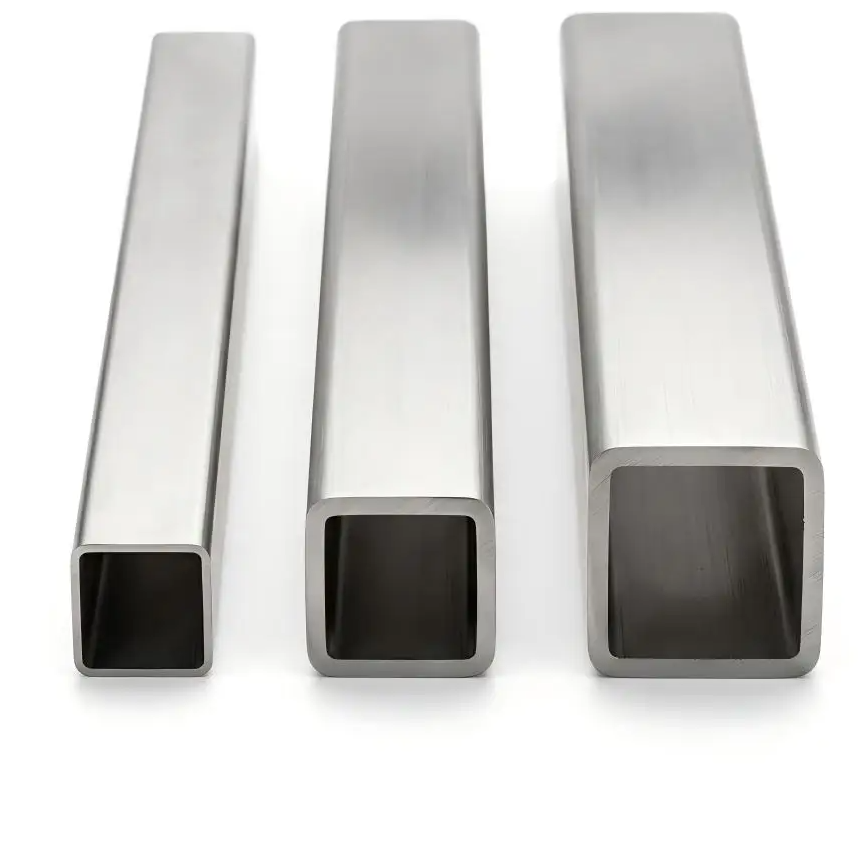
Arctic oil and gas operations and shipbuilding impose extreme demands on the low-temperature toughness and corrosion resistance of materials, making titanium alloys uniquely valuable in this sector. This guide is tailored for Russian markets and Arctic project buyers, covering core technical requirements for titanium alloys under Arctic conditions, a comparison between Russia's GOST standards and ASTM/EN standards, selection logic for key grades, and critical certification and documentation considerations for procurement.
The Arctic isn't just cold—it's a rigorous test of material durability.
Oil and gas platforms, LNG plants, icebreakers, and ice-class vessels operating within the Arctic Circle face more than just extreme cold. Winter temperatures can drop below 50°C. The combination of seawater-ice friction, freeze-thaw cycles, and sulfur- or chlorine-containing process media creates severe corrosion and mechanical challenges. Under these harsh conditions, ordinary steel loses toughness rapidly. While austenitic stainless steels maintain some toughness, they are heavy and prone to stress corrosion cracking in high-chlorine environments.
Titanium alloys exhibit unique performance advantages in low-temperature environments: their strength increases as temperature drops, and they typically lack the pronounced ductile-to-brittle transition seen in ferritic steels. This allows them to maintain excellent toughness and fatigue resistance at low temperatures. Additionally, titanium's inherent corrosion resistance to seawater and chloride-containing media makes it a prime candidate for seawater piping, ice-zone heat exchangers, and platform structural components in Arctic vessels. In Russia's shipbuilding and polar marine engineering sectors, titanium alloys have already been deployed in select seawater systems, heat exchange equipment, and corrosion-resistant components, accumulating extensive operational experience over time.
For manufacturers and buyers planning to participate in Russia's Arctic projects or supply titanium products to Russian-speaking regions, understanding the GOST standards system is essential for market entry.
Russian GOST Standards: Why You Can't Directly Use ASTM
Russia maintains an independent and comprehensive GOST system for material standardization. For titanium and titanium alloys, GOST standards cover multiple dimensions including chemical composition, mechanical properties, heat treatment conditions, testing methods, and acceptance rules. Although the chemical composition and performance requirements for titanium materials of the same alloy system are generally similar across different standards, the following key differences warrant special attention from purchasers:
1. Different steel grade naming systems
Russia uses its own alphanumeric designation system rather than ASTM Grade numbers or EN material numbers. For example, ASTM Gr.2 corresponds to ВТ1-0 (industrial pure titanium) in the GOST system, while Gr.5 (Ti-6Al-4V) typically maps to ВТ6 (VT6). Notably, ПТ-3В belongs to a different category of high-strength Russian titanium alloys with proven applications in shipbuilding and marine engineering; it should not be equated simply with Ti-6Al-4V. Providing only an ASTM grade without the corresponding GOST grade during inquiry may lead to supplier misinterpretation or result in materials that do not meet Russian acceptance requirements.
2. Differences in Detection Methods and Acceptance Criteria
Mechanical testing, chemical analysis methods, and non-destructive testing specifications under Russian GOST standards may differ from ASTM or EN standards in technical details such as specimen dimensions, test temperatures, and sampling directions. When customers request titanium materials with GOST certification, compliance requires not only that the material composition meets requirements but also that the testing process follows GOST-specified methods.
3. Authentication and Document System
The Russian market has specific requirements for material certification documents, typically necessitating certificates of compliance and declarations of conformity in Russian or with Russian translations. For certain projects (especially those involving state contracts or strategic engineering), additional approvals may be required, such as industry-specific certifications, EAC conformity, or material approval from the Russian Maritime Register of Shipping (RMRS). Suppliers must possess the experience and capability to support these certification processes.
4. Standard Edition and Updates
GOST standards are continuously updated, with some merged into the CIS transnational standard system. Suppliers must verify that the standard version used matches exactly the version specified in the customer's procurement requirements to avoid non-conformities arising from version discrepancies.
Russian Maritime Register of Shipping (RMRS) Material Approval Requirements
For Arctic vessels and marine engineering projects, material approval by the Russian Maritime Register of Shipping (RMRS) is a critical requirement. RMRS maintains an independent certification system for metallic materials used on board. Procurement parties and suppliers should consider the following points at the project outset:
RMRS Material Certification
RMRS typically requires key structural materials to pass its approved testing and factory audits. Suppliers already holding RMRS material approval certificates can significantly shorten the project certification cycle. Buyers should verify during supplier evaluation whether a supplier holds RMRS certification or is willing to cooperate in completing RMRS audits.
Low-temperature test requirements
RMRS has specific requirements for low-temperature impact testing of materials used in Arctic vessels. Test temperatures and acceptance criteria vary based on design temperature and component category. Low-temperature impact energy data from material certificates is a key item reviewed during the RMRS drawing approval process.
Welding Materials and Processes Approval
Welding materials and welding procedures also require RMRS approval. If titanium purchased is used for welded structures, the supplier must provide RMRS certification documents for both the base metal and matching filler metals, along with Welding Procedure Qualification Records (WPQRs).
File Traceability
RMRS requires full document traceability from material manufacturing to ship construction. The information chain linking heat numbers, material certificates, non-destructive testing reports, and shipping documents must be complete and consistent.
Common Titanium Alloy Grades for Arctic Conditions and Their Chinese-Russian Standard Correspondence
The following lists titanium alloy grades commonly used in Arctic low-temperature environments and ship engineering, along with their counterparts under ASTM and GOST standards. Note that "correspondence" does not imply exact equivalence; final acceptance must comply with the specifications specified in the procurement contract.
Alloy Type | nominal component | ASTM grade | Russian Equivalent/Reference Grade | Typical Arctic Applications |
Commercial Pure Titanium | CP Ti | Gr.1 / Gr.2 | VT1-0 | Seawater piping, heat exchangers, low-pressure casings |
Ti-6Al-4V | 6Al-4V | Gr.5 | VT6 (VT6) | High-strength structural components, ice-region hull attachments |
Ti-6Al-4V ELI | 6Al-4V ELI | Gr.23 | No direct equivalent grade; confirmed per customer technical specifications (TU). | Components requiring low-temperature high toughness |
Ti-3Al-2.5V | 3Al-2.5V | Gr.9 | PT-7M (Approximate Match) | Medium-duty piping, hydraulic lines |
Ti-Pd alloy | CP Ti + 0.2Pd | Gr.7 | Refer to the technical requirements for titanium-palladium alloy. | Heat exchangers and pipes for highly corrosive environments |
Key comparison points: ВТ1-0 vs. Gr.2
VT1-0 is the most widely used industrial pure titanium grade in Russian standards. It is chemically similar to ASTM Gr.2, with minor differences. When purchasing, specify both standards' compositional ranges and have the supplier confirm whether the material meets both requirements, or designate one standard as the acceptance basis.
Application of VT6 in Ship Structures
VT6 is a titanium alloy grade widely used in Russian industry, comparable to ASTM Gr.5. It has a proven track record in structural components, pressure vessels, and ice-zone accessories for the Russian shipbuilding sector. For high-strength titanium alloy requirements in Arctic projects, VT6 is the grade procurement teams should prioritize.
PT-3V location description
PT-3V is a high-strength titanium alloy in the Russian system with unique application experience in shipbuilding and marine engineering. However, its chemical composition and performance characteristics differ from Ti-6Al-4V and should not be confused with it. If the project requires PT-3V material, separate technical specification confirmation is required.
Special Technical Requirements for Arctic Low-Temperature Environments
1. Low-Temperature Toughness and Fracture Control
One of the most critical material performance metrics for arctic applications is impact toughness at the minimum design temperature. For titanium alloys, both commercially pure titanium and high-strength grades maintain excellent toughness at low temperatures. However, procurement specifications must clearly define the required minimum design temperature and impact energy values, with corresponding test results verified in the material certificate. The GOST system has specific standards for low-temperature impact testing; these must be aligned with methods and acceptance criteria from standards such as ASTM E23.
2. Freeze-Thaw and Ice Erosion Resistance
Ice abrasion and freeze-thaw cycles in polar seas exert continuous mechanical and corrosive stress on material surfaces. While titanium alloys' dense oxide layer provides superior ice erosion resistance compared to most traditional metals, material selection for structural components subjected to high ice loads must also account for fatigue performance and local stress analysis.
3. Low-temperature welding performance
The Arctic project utilizes extensive welded structural connections. Weld joint toughness at low temperatures is a critical factor in material selection. Titanium alloy welding must be performed under inert gas shielding; welds and heat-affected zones typically maintain good low-temperature toughness. However, welding procedure qualification (WPQ) and welder certification are essential components of procurement documents. We recommend requiring suppliers to submit their welding procedure qualification records during procurement.
4. Special Considerations for Hydrogen Embrittlement Risk
In low-temperature environments, material susceptibility to hydrogen embrittlement increases. Titanium alloys exhibit low sensitivity to hydrogen absorption in seawater and typical industrial settings. However, for Arctic projects involving cathodic protection, acidic media, or high-temperature hydrogen charging, specific grades require dedicated assessment of hydrogen content and service conditions. Gr.7 palladium-bearing grades may offer additional safety margins in Arctic applications with acidic conditions.
Documentation and Certification Requirements for Procuring GOST-Compliant Titanium
When procuring titanium for Russia's Arctic projects, the integrity and accuracy of documentation directly determine whether materials pass customer acceptance. Below are key elements that buyers and suppliers must focus on during the documentation phase:
1. GOST Material Certificate
The material certificate must include the GOST standard number, grade, heat number, and chemical composition and mechanical test results obtained per GOST methods. If the customer also requires compliance with ASTM or EN standards, the corresponding standard numbers and test results shall be included on the certificate to create a multi-standard material document.
2. Russian file support
Russian projects typically require key quality documents in Russian or accompanied by certified Russian translations. Availability of Russian versions for core documents such as material certificates, declarations of conformity, and non-destructive testing reports must be confirmed with suppliers during the quotation phase to prevent customs clearance and acceptance delays due to language issues.
3. Compliance Statement and Certification
Some Russian projects require materials to be accompanied by a GOST R Declaration of Conformity or Eurasian Economic Union (EAC) certification. Whether these certifications are needed depends on the product category, application area, and specific customer requirements. Clarify this with the customer during the inquiry stage and confirm the supplier's ability and experience to support compliance. If RMRS material approval is required, initiate the certification process early in the project phase.
4. Batch Traceability and Non-Destructive Testing
As with all high-standard projects, each batch of material must have a unique heat number, and the heat numbers across all documents must match. Non-destructive testing requirements such as ultrasonic testing, eddy current testing, or penetrant testing shall be determined in accordance with GOST standards and any additional customer specifications. Test reports must be included in the final document package.
Frequently Asked Questions
Q1: Are Russian GOST standards and ASTM standards mutually recognized?
While titanium alloys within the same system generally exhibit similar intrinsic properties, significant systemic differences exist between GOST and ASTM standards in testing methods, acceptance criteria, and documentation formats. Russian projects typically require GOST compliance for acceptance; do not substitute an ASTM material certificate for a GOST certification unless explicitly accepted by the customer.
Q2: Are the materials for VT6 and Gr.5 identical?
Although both have similar nominal compositions and belong to the Ti-6Al-4V system, GOST standards may specify distinct requirements for ВТ6's composition ranges, mechanical properties, and heat treatment that differ from ASTM Gr.5. When purchasing, clearly specify whether GOST or ASTM is the primary acceptance standard and require suppliers to provide material certificates corresponding to that standard.
Q3: What material is PT-3V? How does it differ from Ti-6Al-4V?
PT-3V is a high-strength titanium alloy within the Russian system, with unique application experience in shipbuilding and marine engineering. However, PT-3V differs from Ti-6Al-4V in chemical composition and performance characteristics and cannot be treated as equivalent. If the project explicitly requires PT-3V material, provide suppliers with complete Russian technical specifications and conduct separate technical validation.
Q4: Does the Arctic Project have special certification requirements?
In addition to standard GOST material certificates, some Russian Arctic projects may require RMRS material approval, EAC certification, or review of specific customer technical requirements. These additional certification requirements should be confirmed with the customer during the early project phase, and the supplier's ability to comply must be assessed.
Q5: Can you supply titanium materials that meet GOST standards?
We supply titanium plates, bars, tubes, and forgings compliant with ASTM, EN, and GOST standards to customers in Russia and worldwide. Services include grade selection review, documentation verification, third-party inspection coordination, and custom cutting. To check availability, certification support, and lead times for specific grades, please send us your specifications and technical requirements.
Conclusion
Russia has deep expertise in titanium alloy applications for its Arctic projects, supported by a comprehensive and independent GOST standards system. For buyers and suppliers aiming to enter this market, the core challenges extend beyond material quality to include accurate standard alignment, thorough documentation, and compliance with certification requirements. Establishing proper standards alignment and preparing documentation in advance is essential for ensuring smooth project execution.
If you are evaluating titanium alloy solutions for Arctic projects or the Russian market and need grade cross-references, GOST standard verification, RMRS certification support, or Russian documentation assistance, please send us your project technical requirements and target standards. We will provide tailored technical solutions and compliance assessments.
[Send your project requirements to receive a GOST-compliant titanium solution and regulatory assessment]
(Yucheng Haitai Industry | Precision Turned Titanium Rods | TA1 / TA2 / TC4 / TC4 ELI)yuchenghaicompany.com)
English Version
Titanium Alloys for Russian Arctic Oil & Gas Projects: GOST Standards, VT Grades, and Procurement Guide
Arctic oil & gas and marine engineering projects demand exceptional low-temperature toughness and corrosion resistance from materials. Titanium alloys deliver unique value in this sector. This guide, designed for the Russian market and Arctic project buyers, outlines core technical requirements for titanium alloys in Arctic service, explains how Russia's GOST standards align with ASTM and EN standards, details grade selection logic for key alloys, and highlights essential certification and documentation requirements for procurement.
The Arctic isn't just cold—it's a rigorous test of material durability.
Oil and gas platforms, LNG plants, icebreakers, and ice-class vessels operating within the Arctic Circle face more than just extreme cold. Winter temperatures can drop below 50°C. The combination of seawater-ice friction, freeze-thaw cycles, and sulfur- or chlorine-containing process media creates severe corrosion and mechanical challenges. Under these harsh conditions, ordinary steel loses toughness rapidly. While austenitic stainless steels maintain some toughness, they are heavy and prone to stress corrosion cracking in high-chlorine environments.
Titanium alloys exhibit unique performance advantages in low-temperature environments: their strength increases as temperature drops, and they typically lack the pronounced ductile-to-brittle transition seen in ferritic steels. This allows them to maintain excellent toughness and fatigue resistance at low temperatures. Additionally, titanium's inherent corrosion resistance to seawater and chloride-containing media makes it a prime candidate for seawater piping, ice-zone heat exchangers, and platform structural components in Arctic vessels. In Russia's shipbuilding and polar marine engineering sectors, titanium alloys have already been deployed in select seawater systems, heat exchange equipment, and corrosion-resistant components, accumulating extensive operational experience over time.
For manufacturers and buyers planning to participate in Russia's Arctic projects or supply titanium products to Russian-speaking regions, understanding the GOST standards system is essential for market entry.
Russian GOST Standards: Why You Can't Directly Use ASTM
Russia maintains an independent and comprehensive GOST system for material standardization. For titanium and titanium alloys, GOST standards cover multiple dimensions including chemical composition, mechanical properties, heat treatment conditions, testing methods, and acceptance rules. Although the chemical composition and performance requirements for titanium materials of the same alloy system are generally similar across different standards, the following key differences warrant special attention from purchasers:
1. Different steel grade naming systems
Russia uses its own alphanumeric designation system rather than ASTM Grade numbers or EN material grades. For instance, ASTM Gr.2 corresponds to the GOST grade ВТ1-0 (commercially pure titanium), while Gr.5 (Ti-6Al-4V) typically maps to ВТ6 (VT6). Notably, ПТ-3В belongs to a different category of high-strength Russian titanium alloys with established applications in shipbuilding and offshore engineering; it should not be equated simply with Ti-6Al-4V. When requesting quotes, providing only an ASTM grade without the corresponding GOST grade may lead to supplier confusion or result in materials that do not meet Russian acceptance requirements.
2. Differences in Detection Methods and Acceptance Criteria
Mechanical testing, chemical analysis methods, and non-destructive testing specifications under Russian GOST standards may differ from ASTM or EN standards in technical details such as specimen dimensions, test temperatures, and sampling directions. When customers request titanium materials with GOST certification, compliance requires not only that the material composition meets requirements but also that the testing process follows GOST-specified methods.
3. Authentication and Document System
The Russian market has specific requirements for material certification documents, typically necessitating certificates of compliance and declarations of conformity in Russian or with Russian translations. For certain projects, particularly those involving state contracts or strategic engineering, additional approvals may be required, such as industry-specific certifications, EAC conformity, or material approvals from the Russian Maritime Register of Shipping (RMRS). Suppliers must possess the experience and capability to support these certification processes.
4. Standard Edition and Updates
GOST standards are continuously updated, with some merged into the CIS transnational standard system. Suppliers must verify that the standard version used matches exactly the version specified in the customer's procurement requirements to avoid non-conformities arising from version discrepancies.
Russian Maritime Register of Shipping (RMRS) Material Approval Requirements
For Arctic vessels and marine engineering projects, material approval by the Russian Maritime Register of Shipping (RMRS) is a critical requirement. RMRS maintains an independent certification system for metallic materials used on board. Procurement parties and suppliers should consider the following points at the project outset:
RMRS Material Certification
RMRS typically requires key structural materials to pass its approved testing and factory audits. Suppliers already holding RMRS material approval certificates can significantly shorten the project certification cycle. Buyers should verify during supplier evaluation whether a supplier holds RMRS certification or is willing to cooperate in completing RMRS audits.
Low-temperature test requirements
RMRS has specific requirements for low-temperature impact testing of materials used in Arctic vessels. Test temperatures and acceptance criteria vary based on design temperature and component category. Low-temperature impact energy data from material certificates is a key item reviewed during the RMRS drawing approval process.
Welding Materials and Processes Approval
Welding materials and welding procedures also require RMRS approval. If titanium purchased is used for welded structures, the supplier must provide RMRS certification documents for both the base metal and matching filler metals, along with Welding Procedure Qualification Records (WPQRs).
File Traceability
RMRS requires full document traceability from material manufacturing to ship construction. The information chain linking heat numbers, material certificates, non-destructive testing reports, and shipping documents must be complete and consistent.
Common Titanium Alloy Grades for Arctic Conditions and Their Chinese-Russian Standard Correspondence
The following lists titanium alloy grades commonly used in Arctic low-temperature environments and ship engineering, along with their counterparts under ASTM and GOST standards. Note that "correspondence" does not imply exact equivalence; final acceptance must comply with the specifications specified in the procurement contract.
Alloy Type | nominal component | ASTM grade | Russian Equivalent/Reference Grade | Typical Arctic Applications |
Commercial Pure Titanium | CP Ti | Gr.1 / Gr.2 | VT1-0 | Seawater piping, heat exchangers, low-pressure casings |
Ti-6Al-4V | 6Al-4V | Gr.5 | VT6 (VT6) | High-strength structural components, ice-region hull attachments |
Ti-6Al-4V ELI | 6Al-4V ELI | Gr.23 | No direct equivalent grade; confirmed per customer technical specifications (TU). | Components requiring low-temperature high toughness |
Ti-3Al-2.5V | 3Al-2.5V | Gr.9 | PT-7M (Approximate Match) | Medium-duty piping, hydraulic lines |
Ti-Pd alloy | CP Ti + 0.2Pd | Gr.7 | Refer to the technical requirements for titanium-palladium alloy. | Heat exchangers and pipes for highly corrosive environments |
Key comparison points: ВТ1-0 vs. Gr.2
VT1-0 is the most widely used industrial pure titanium grade in Russian standards and is chemically similar to ASTM Gr.2, though with minor differences. When purchasing, it is recommended to specify both standards' composition ranges for supplier confirmation that the material meets both requirements, or to clearly designate which standard will serve as the acceptance basis.
Application of VT6 in Ship Structures
VT6 is a titanium alloy grade widely used in Russia's industrial sector, comparable to ASTM Gr.5. This grade has a proven track record in structural components, pressure vessels, and arctic zone attachments within the Russian shipbuilding industry. For high-strength titanium alloy requirements in Arctic projects, VT6 is the grade procurement teams should prioritize.
PT-3V location description
PT-3V is a high-strength titanium alloy in the Russian system with unique application experience in shipbuilding and marine engineering. However, its chemical composition and performance characteristics differ from Ti-6Al-4V, so they should not be confused. If the project requires PT-3V material, separate technical specification confirmation is required.
Special Technical Requirements for Extreme Low-Temperature Environments in the Arctic
1. Low-Temperature Toughness and Fracture Control
One of the most critical material performance metrics for arctic applications is impact toughness at the minimum design temperature. For titanium alloys, both commercially pure titanium and high-strength grades maintain excellent toughness at low temperatures. However, procurement specifications must clearly define the required minimum design temperature and impact energy values, with corresponding test results verified in the material certificate. The GOST system has specific standards for low-temperature impact testing; these must be cross-referenced with standards such as ASTM E23 to confirm alignment in methodology and acceptance criteria.
2. Freeze-Thaw and Ice Erosion Resistance
In Arctic waters, ice abrasion and freeze-thaw cycles exert continuous mechanical and corrosive forces on material surfaces. While titanium alloys outperform most traditional metals in ice erosion resistance due to their dense oxide film, selecting materials for structural components subjected to high ice loads requires a comprehensive evaluation that accounts for fatigue performance and local stress analysis.
3. Low-temperature performance of welds
The Arctic project relies heavily on welded structural connections. Low-temperature toughness of weld joints is a critical material selection factor. Titanium alloy welding must be performed under inert gas shielding; while welds and heat-affected zones typically maintain good low-temperature toughness, welding procedure qualifications (WPQ) and welder certifications are essential components of procurement documents. We recommend requiring suppliers to provide welding procedure qualification records during procurement.
4. Special Considerations for Hydrogen Embrittlement Risk
In low-temperature environments, susceptibility to hydrogen embrittlement increases. Titanium alloys exhibit low sensitivity to hydrogen absorption in seawater and typical industrial settings. However, for Arctic projects involving cathodic protection, acidic media, or high-temperature hydrogen charging, specific grades require dedicated evaluation of hydrogen content and service conditions. Gr.7 palladium-containing grades may offer additional safety margins in Arctic applications involving acidic conditions.
Documentation and Certification Requirements for Procuring GOST-Compliant Titanium
For titanium procurement in Russia's Arctic projects, the integrity and accuracy of documentation directly determine whether materials pass customer acceptance. Key elements for buyers and suppliers to focus on during the documentation phase include:
1. GOST Material Certificate
Material certificates must include the GOST standard number, grade, and heat/batch number, along with chemical composition and mechanical test results obtained per GOST methods. If the customer also requires compliance with ASTM or EN standards, the corresponding standard numbers and test results must be included on the certificate to provide a multi-standard comparative material document.
2. Russian file support
Russian projects typically require key quality documents in Russian or accompanied by certified Russian translations. Availability of Russian versions for core documents—such as material certificates, declarations of conformity, and non-destructive testing reports—must be confirmed with suppliers during the quotation phase to prevent clearance and acceptance delays due to language issues.
3. Declaration of Conformity and Certification
Some Russian projects require GOST R compliance declarations or Eurasian Economic Union (EAC) certification for materials. Whether these certifications are needed depends on the product category, application area, and specific customer requirements. Clarify this with the customer during the inquiry stage and confirm the supplier's capability and experience in obtaining such certifications. If RMRS material approval is required, initiate the certification process early in the project phase.
4. Batch Traceability and Non-Destructive Testing
As with all high-standard projects, each batch of material must have a unique heat number, and heat numbers must be consistent across all documents. Non-destructive testing (NDT) requirements such as ultrasonic testing, eddy current testing, or penetrant testing shall be determined in accordance with GOST standards and any additional customer specifications. Reports must be included in the final documentation package.
Frequently Asked Questions
Q1: Are Russian GOST standards and ASTM standards mutually recognized?
Within the same alloy system, titanium properties are fundamentally similar. However, GOST and ASTM differ systematically in testing methods, acceptance criteria, and documentation formats. Russian projects typically require GOST standards for acceptance; do not substitute an ASTM material certificate for GOST certification unless explicitly accepted by the customer.
Q2: Are the materials for VT6 and Gr.5 identical?
Both have similar nominal compositions and belong to the Ti-6Al-4V system, but GOST standards may specify distinct requirements for ВТ6 regarding composition ranges, mechanical properties, and heat treatment that are not fully equivalent to ASTM Gr.5. When purchasing, clearly specify whether GOST or ASTM is the primary acceptance standard and require suppliers to provide material certificates compliant with the chosen standard.
Q3: What material is PT-3V? How does it differ from Ti-6Al-4V?
PT-3V is a high-strength titanium alloy in the Russian system, with unique application experience in shipbuilding and marine engineering. However, its chemical composition and performance characteristics differ from Ti-6Al-4V, so they cannot be simply equated. If a project specifically requires PT-3V material, provide suppliers with complete Russian technical specifications and conduct separate technical verification.
Q4: Does the Arctic Project have special certification requirements?
In addition to standard GOST material certificates, some Russian Arctic projects may require RMRS material approval, EAC certification, or technical condition reviews by specific customers. These additional certification requirements should be confirmed with the customer during the early project phase, along with an assessment of the supplier's ability to comply.
Q5: Can you supply titanium materials that meet GOST standards?
We supply titanium plates, bars, tubes, and forgings to Russian and international customers that comply with ASTM, EN, and GOST standards. Our services include grade selection review, document verification, third-party inspection coordination, and custom cutting. To inquire about availability, certification support, and lead times for specific grades, please send us your technical specifications and requirements.
Conclusion
Russia has deep expertise in titanium alloy applications for its Arctic projects, supported by an independent and comprehensive GOST standards system. For buyers and suppliers aiming to enter this market, the core challenges lie not only in material quality but also in accurate standard alignment, complete documentation, and compliance with certification requirements. Establishing standards alignment and preparing documentation in advance is essential for ensuring smooth project execution.
If you are evaluating titanium alloy solutions for Arctic projects or the Russian market and need grade cross-references, GOST standard verification, RMRS certification support, or Russian documentation, please send us your project technical requirements and target standards. We can provide tailored technical solutions and compliance assessments.
[Send your project requirements to receive a GOST-compliant titanium material solution and compliance assessment]
(Yucheng Haitai Industry | Precision Turning Titanium Rods | TA1 / TA2 / TC4 / TC4 ELI)yuchenghaicompany.com)