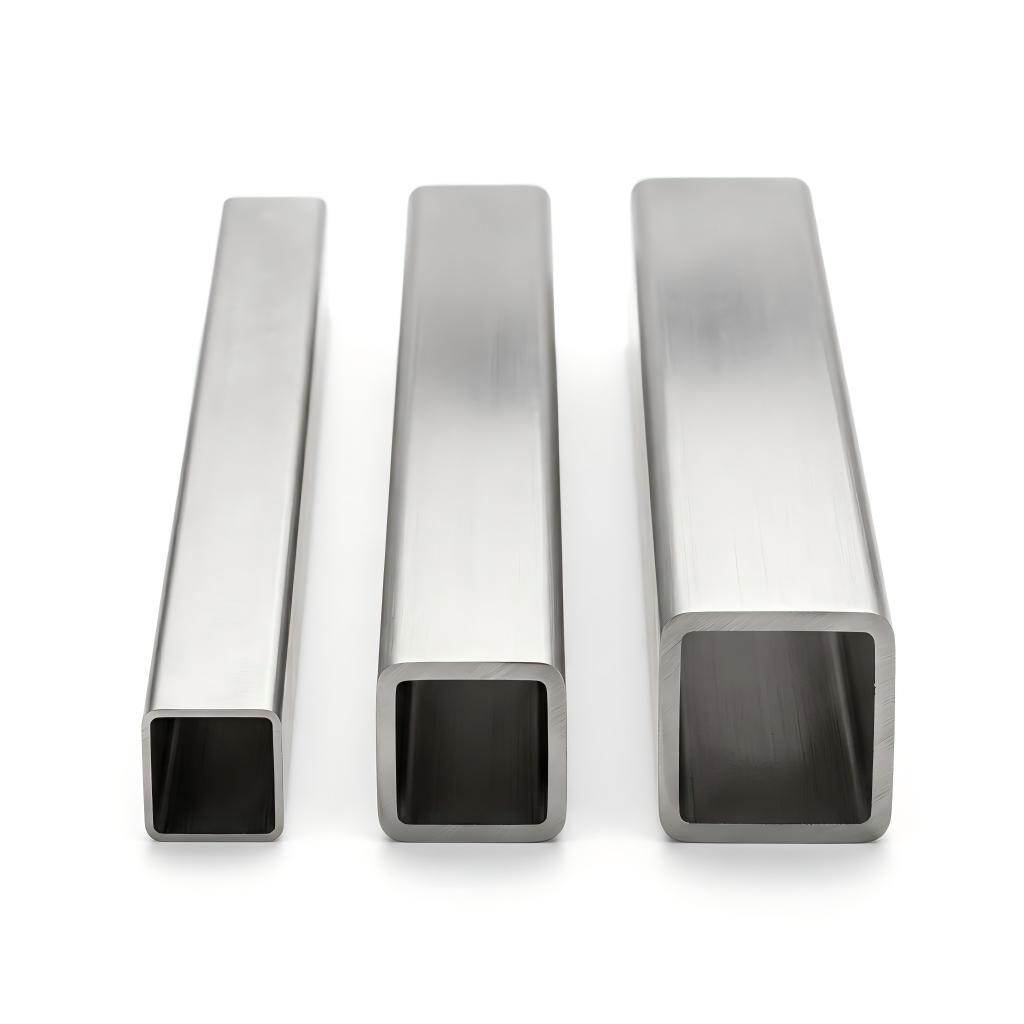
Discover why Indonesian shipyards use titanium fasteners and piping systems. Compare Grade 2 vs. Grade 5 titanium, marine applications, ASTM standards, and procurement considerations.
Ships at sea are most vulnerable to corrosion.
Indonesia is an archipelago of thousands of islands, making ships essential. From coastal ferries to ocean-going cargo vessels, from fishing boats to naval patrol craft, shipbuilding and repair operations span Surabaya, Batam, and the Jakarta region. These vessels operate year-round in tropical seawater—characterized by high temperatures, extreme humidity, and heavy salt fog. For metals, there is no more demanding environment.
Shipyards and shipowners share a common pain point: fasteners and piping in seawater systems require frequent replacement. While traditional stainless steel, including 316L, is often considered adequate, it still cannot prevent pitting and crevice corrosion in high-temperature seawater environments like those in Indonesia. A single rusted-through bolt or leaking pipe fitting can lead to bilge flooding and system shutdowns if unlucky. One repair can halt operations for days, costing hundreds of times more than the fastener itself.
In recent years, leading Indonesian shipyards have begun replacing stainless steel with titanium in critical areas such as seawater cooling lines, deck hydraulic systems, and underwater fasteners. Based on our experience working with shipbuilding and marine equipment clients across Southeast Asia, this shift isn't a trend—it's a calculated economic decision driven by the high costs of corrosion repairs.
Why Titanium: Three Advantages Stainless Steel Can't Match
1. Exceptional corrosion resistance in seawater environments
Titanium exhibits exceptional resistance to pitting and crevice corrosion in seawater, which is its fundamental distinction from stainless steel. Stainless steel relies on a passive film that can be locally breached by high chloride concentrations, leading to pitting. In contrast, titanium's surface oxide layer is dense and stable, maintaining excellent corrosion resistance even in high-velocity, high-salinity tropical seawater.
Gr.2 commercial pure titanium is used for seawater piping and general fasteners, while Gr.5 (Ti-6Al-4V) is used for high-strength bolts. Both exhibit extremely low corrosion rates in seawater environments. For shipyards in Indonesia, this means fasteners won't seize due to corrosion, pipes won't leak from perforation, and maintenance intervals are significantly extended.
2. Lightweight with high strength-to-weight ratio
Titanium has a density of approximately 4.5g/cm³, which is more than 40% lighter than stainless steel (approximately 7.9g/cm³). For piping applications, titanium pipes of the same length and specifications weigh nearly half as much. In ship design, every kilogram saved in the hull translates directly into increased payload capacity or improved fuel efficiency.
Strength-wise, Gr.5 titanium fasteners offer excellent specific strength (strength-to-weight ratio), making them ideal for applications where both weight and corrosion resistance are critical. While their absolute tensile strength is lower than that of 12.9-grade steel bolts, they can achieve equivalent connection performance at less than 60% of the weight under design load requirements—offering a clear advantage for high-speed vessels, military ships, and premium yachts.
3. The total cost of ownership is actually more cost-effective.
The unit price of titanium pipes and bolts is indeed higher than that of stainless steel, and we don't need to deny it. But as a seasoned engineer at an Indonesian shipyard once put it: "Buying stainless steel is like paying in installments—you pay every time the ship needs repair; buying titanium is a one-time payment with little to no follow-up costs."
Break down the costs: In a seawater environment, stainless steel components may require regular inspection and even replacement depending on maintenance conditions. Titanium products, under the same conditions, can operate for many years with virtually no replacements needed due to corrosion. When factoring in downtime losses from scheduled maintenance and labor costs, the total cost of ownership over the product's lifecycle is actually lower. Moreover, scrap titanium has significant recycling value, with a much higher residual value than rusted stainless steel waste.
Marine Titanium Applications: Fasteners and Piping
Fasteners
Titanium fasteners are primarily used in the following areas on ships:
Hull underwater attachments: connecting bolts for the rudder system, stern tube bracket, and sea chest valve box. These areas are constantly submerged in seawater and difficult to maintain; using titanium bolts prevents corrosion galling and allows for easy disassembly during inspections.
Seawater Cooling System: Studs and nuts for heat exchanger flanges and pump connections. Temperature fluctuations combined with seawater immersion can cause crevice corrosion in ordinary stainless steel; titanium offers a clear advantage here.
Deck Equipment: Fittings for windlasses, winches, and guide rails. Although not submerged, these components are constantly exposed to salt spray; titanium significantly reduces surface corrosion.
Common grades are Gr. 2 (pure titanium, for general fastening) and Gr. 5 (titanium alloy, for high-load connections). The primary applicable standard is ASTM B348, which covers titanium and titanium alloy bars—fasteners are typically machined from these bars.
Piping System
Ship seawater piping is another growth area for titanium. Seawater cooling, fire suppression, ballast, and desalination systems handle large volumes of seawater daily. Pipes face constant internal erosion from flow and external exposure to the humid, damp conditions in ship bilges.
Traditional materials include copper-nickel alloys (Cu-Ni 90/10 or 70/30) and 316L stainless steel. Copper-nickel tubes offer moderate corrosion resistance but have low strength, requiring thicker walls and resulting in heavier weight. Stainless steel tubes are prone to issues in the heat-affected zone of welds. Titanium tubes—especially Gr.2 welded tubes—address these shortcomings effectively: they provide excellent corrosion resistance, are lightweight, and are weldable, allowing thin-walled designs to meet pressure requirements.
Common Pipe Standards:
ASTM B338: Titanium and Titanium Alloy Heat Exchanger Tubes
ASTM B861: Titanium Seamless Pipe
ASTM B862: Titanium Welded Pipe
Wall thickness typically ranges from 0.5 mm to 2 mm, depending on the diameter and pressure rating. When purchasing at shipyards,Specifying cut lengths based on system design drawings allows suppliers to provide pre-cut services, reducing on-site welding work.
Grade and Standard Quick Reference
App | Recommended Grades | Common Standards | Notes |
Universal Seawater Bolt | Gr.2 | ASTM B348 | Good corrosion resistance, moderate strength |
High-strength fasteners | Gr.5 (Ti-6Al-4V) | ASTM B348 | High strength-to-weight ratio, ideal for weight-critical applications. |
Seawater Pipe (Seamless) | Gr.2 | ASTM B861 | High-pressure sections and special areas |
Seawater Pipe (Welded) | Gr.2 | ASTM B862 | Low-pressure seawater system with high cost-effectiveness |
Heat Exchanger Tube | Gr.2 | ASTM B338 | Thin-walled tubes for seawater cooling |
Pipe Flanges | Gr.2 | ASTM B381 (Forged) | Forged fittings, flanges, and similar components |
Highly Corrosive Seawater Environment | Gr.7 | ASTM B348 / B861 | Select for Special Conditions |
When requesting a quote, specify the grade and standard, and insist on a Material Test Certificate (MTC) and product traceability. For vessels requiring classification society approval (e.g., DNV, ABS, BV), additional factory audits or product inspections may be mandated. Confirm with suppliers during the quoting stage whether they can provide the necessary certification documentation.
Key considerations for Indonesian shipyards procuring titanium
Drawing from our experience working with vessel clients across Southeast Asia, here are key points Indonesian buyers should pay special attention to:
1. Does the supplier have a track record of marine supply?
Marine-grade titanium is not a standard industrial product; it demands stricter controls on surface quality, dimensional tolerances, and documentation compliance. Suppliers with a proven track record in marine projects are typically more familiar with the required processes, helping you reduce communication costs with classification societies.
2. Can you handle small-batch, multi-specification orders?
Ship repair projects often involve small-quantity, high-variety needs—dozens of bolts, a few pipes, or several flanges. Factories that only accept large orders are not suited for the ship repair market. Suppliers willing to take small orders and provide custom machining based on drawings are the true partners aligned with shipyard workflows. Low minimum order quantities and custom fabrication support are our core capabilities.
3. Are the delivery time and logistics reliable?
In shipyards, tight repair schedules mean a single delayed bolt can extend a vessel's dry dock stay by a day. Suppliers must provide accurate lead times—no exaggeration or delays. For logistics, customs clearance at Indonesian ports can be lengthy. If suppliers assist with complete documentation (commercial invoices, packing lists, certificates of origin, and material certificates), buyers can save significant time.
4. Can you provide material certification support?
If the project involves classed vessels, the classification society may require material suppliers to obtain specific certifications or undergo factory audits. Confirming in advance whether suppliers can accommodate third-party inspections (e.g., SGS, TÜV, Bureau Veritas) and are willing to provide additional documentation such as welding procedure qualifications can prevent significant issues later on.
Yuchenghai is located in Baoji, China—the nation's largest titanium manufacturing hub. We supply core materials such as titanium rods and tubes and also provide custom-finished fasteners and cut-to-length pipes per client requirements. For inquiries from Indonesian shipyards, we can deliver tailored solutions based on drawings and technical specifications. We accept small-batch trial orders and have extensive experience with documentation and export procedures.
Frequently Asked Questions
Q1: Are titanium bolts more prone to loosening than stainless steel bolts?
No. Although titanium has a lower modulus of elasticity than steel, the anti-loosening performance of fasteners depends primarily on design (such as thread precision and preload control) and operating conditions, not the material itself. When installed according to specifications, titanium bolts provide anti-loosening performance comparable to steel bolts. Additionally, titanium does not suffer from corrosion-induced seizing, making disassembly and reassembly smoother.
Q2: Is welded titanium piping or seamless titanium piping better for marine seawater systems?
Most low-pressure seawater systems (cooling, fire suppression, ballast) can use welded pipe for lower cost and better wall thickness uniformity. Seamless pipe is recommended for high-pressure systems or critical areas such as hydraulic lines. Follow the specific design standards for your system.
Q3: How to choose between titanium and copper-nickel pipes?
Copper-nickel tubes require low initial investment but are dense, have thick walls, increase system weight, and face erosion risks over time. Titanium tubes are lightweight, offer superior corrosion resistance, and demand minimal maintenance. For long-term, low-maintenance operations, titanium is the better choice.
Q4: Can you customize titanium fasteners based on shipyard drawings?
We supply titanium bars and fastener semifinished products per ASTM B348, tailored to your specified grade, size, and dimensions. For finished fasteners, we can connect you with trusted machining partners.
Q5: Can you provide samples or small trial orders?
Yes. Whether you need a few tubes or dozens of bolts, we can first send samples for testing and validation. Once the material and specifications are confirmed, we will proceed with your bulk order.
Q6: Can titanium fasteners be approved for classed ships?
Material approval requirements for classed vessels depend on the specific classification society and project specifications. Suppliers must provide complete material certificates and comply with the classification society's inspection requirements. It is recommended to clearly communicate certification needs to suppliers early in the project phase to ensure all documentation is prepared.
Conclusion
The Indonesian shipbuilding industry is gradually embracing titanium. This shift isn't driven by a single shipowner or design firm, but by seawater itself. Decades of corrosion have convinced more professionals that using titanium in critical areas isn't an extra cost—it's a way to reduce maintenance headaches.
If you're evaluating fasteners or piping materials for an Indonesian shipbuilding project and need clarity on the suitability of Gr.2 vs. Gr.5, or require a class-approved quote, send us your technical specifications. We'll review them and respond within 24 hours.
[Send drawings or technical specs for material analysis and a quote. 24-hour response time.]
(Yucheng Haitai Industry | Precision Turned Titanium Rods | TA1 / TA2 / TC4 / TC4 ELI)yuchenghaicompany.com)
English Version
Why Indonesian Shipyards Are Increasingly Using Titanium for Critical Fasteners and Piping
Discover why Indonesian shipyards are switching to titanium fasteners and piping systems. Compare Grade 2 vs. Grade 5 titanium, marine applications, ASTM standards, and procurement considerations.
Ships at sea are most vulnerable to corrosion.
Indonesia is an archipelago of thousands of islands, making ships essential. From coastal ferries to deep-sea cargo vessels, from fishing boats to naval patrol craft, shipbuilding and repair operations span Surabaya, Batam, and the Jakarta region. These vessels operate year-round in tropical seawater—characterized by high temperatures, extreme humidity, and heavy salt fog. For metal materials, there is no harsher environment.
Shipyards and shipowners share a common pain point: fasteners and piping in seawater systems require frequent replacement. Stainless steel, including 316L grades, has been the traditional choice, but it still fails to prevent pitting and crevice corrosion in high-temperature seawater environments like those in Indonesia. A single rusted-through bolt or leaking pipe fitting can lead to bilge flooding and system downtime. One repair means days of vessel layup—costs that are hundreds of times higher than the value of the parts themselves.
In recent years, leading Indonesian shipyards have begun replacing stainless steel with titanium in critical areas such as seawater cooling lines, deck hydraulic systems, and underwater fasteners. Based on our experience working with shipbuilding and marine equipment clients across Southeast Asia, this shift isn't a trend—it's a calculated economic decision driven by the high costs of corrosion repairs.
Why Titanium: Three Advantages Stainless Steel Can't Match
1. Exceptional corrosion resistance in seawater environments
Titanium exhibits exceptional resistance to pitting and crevice corrosion in seawater, a fundamental distinction from stainless steel. Stainless steel relies on a passive film that can be locally breached by high chloride concentrations, leading to pitting. In contrast, titanium's surface oxide layer is dense and stable, maintaining excellent corrosion resistance even in high-velocity, high-salinity tropical seawater.
Gr.2 commercial pure titanium is used for seawater piping and general fasteners, while Gr.5 (Ti-6Al-4V) is used for high-strength bolts. Both exhibit extremely low corrosion rates in seawater environments. For shipyards in Indonesia, this means fasteners won't seize due to corrosion, pipes won't leak from perforation, and maintenance intervals are significantly extended.
2. Lightweight with high strength-to-weight ratio
Titanium has a density of approximately 4.5g/cm³, which is more than 40% lighter than stainless steel (approximately 7.9g/cm³). When used in piping systems, titanium pipes of the same length and specification weigh nearly half as much. For ship design, every kilogram saved on the hull translates directly into increased payload capacity or improved fuel efficiency.
In terms of strength, Gr.5 titanium fasteners offer an excellent strength-to-weight ratio, making them ideal for applications where both weight and corrosion resistance are critical. While their absolute tensile strength is lower than that of 12.9 grade steel bolts, they can achieve equivalent connection performance at less than 60% of the weight under design load requirements. This advantage directly appeals to high-speed vessels, military ships, and premium yachts.
3. The total cost of ownership is actually more cost-effective.
The unit price of titanium pipes and bolts is indeed higher than stainless steel, and there's no need to deny it. But as an experienced Indonesian shipyard engineer once put it: "Buying stainless steel is like paying in installments—each repair costs more. Buying titanium is a one-time payment; afterward, you rarely need to do anything."
Get the details right: Stainless steel components may require regular inspection or even replacement due to seawater exposure and maintenance needs. In contrast, titanium products can operate for many years under the same conditions with virtually no replacements needed due to corrosion. When you factor in lost revenue from downtime and labor costs for repairs, the total cost of ownership over the product's life is actually lower. Plus, scrap titanium retains significant resale value, far exceeding that of corroded stainless steel.
Marine Titanium Applications: Fasteners and Piping
Fasteners
Titanium fasteners are primarily used in the following areas on ships:
Hull underwater attachments: Connecting bolts for the rudder system, stern tube bracket, and sea chest. These areas are constantly submerged in seawater and difficult to maintain; using titanium bolts prevents corrosion galling and ensures easy removal during inspections.
Seawater Cooling System: Studs and nuts for heat exchanger flanges and pump connections. Temperature fluctuations combined with seawater immersion can cause crevice corrosion in ordinary stainless steel; titanium offers a clear advantage here.
Deck Equipment: Fittings for windlasses, winches, and guide rails. Though not submerged, these components are constantly exposed to salt spray; titanium significantly reduces surface corrosion.
Common grades are Gr.2 (pure titanium, for general fastening) and Gr.5 (titanium alloy, for high-load connections). The primary standards are ASTM B348, which cover titanium and titanium alloy bars—fasteners are typically machined from these bars.
Piping System
Marine seawater piping is another growth area for titanium. Seawater cooling, fire protection, ballast, and desalination systems transport vast volumes of seawater daily; pipes endure constant internal erosion from flow and external exposure to damp bilge environments.
Traditional materials include Cu-Ni alloys (90/10 or 70/30) and 316L stainless steel. While Cu-Ni tubes offer adequate corrosion resistance, their low strength requires thicker walls, increasing weight. Stainless steel tubes are prone to failure in the heat-affected zone of welds. Titanium tubes—especially Gr.2 welded pipes—address these shortcomings with excellent corrosion resistance, lightweight properties, and weldability, allowing thin walls to meet pressure requirements.
Common Pipe Standards:
ASTM B338: Tubes for Heat Exchangers and Condensers Made of Titanium and Titanium Alloys
ASTM B861: Seamless Titanium Pipes
ASTM B862: Titanium Welded Pipe
Wall thickness typically ranges from 0.5mm to 2mm, depending on the diameter and pressure rating. When purchasing at shipyards,Pre-cut materials to specified lengths per system design drawings reduce on-site welding work.
Grade and Standard Quick Reference
App | Recommended Grades | Common Standards | Notes |
Universal Seawater Bolt | Gr.2 | ASTM B348 | Good corrosion resistance, moderate strength |
High-strength fasteners | Gr.5 (Ti-6Al-4V) | ASTM B348 | High strength-to-weight ratio, ideal for weight-critical applications. |
Seawater Pipe (Seamless) | Gr.2 | ASTM B861 | High-pressure sections and special areas |
Seawater Pipe (Welded) | Gr.2 | ASTM B862 | Low-pressure seawater system with high cost-effectiveness |
Heat Exchanger Tube | Gr.2 | ASTM B338 | Thin-walled tubes for seawater cooling |
Pipe Flanges | Gr.2 | ASTM B381 (Forged) | Forged fittings, flanges, and similar components |
Highly Corrosive Seawater Environment | Gr.7 | ASTM B348 / B861 | Select for Special Conditions |
When requesting a quote, specify the grade and standard, and always require Material Test Certificates (MTC) and product traceability. For classed vessels, classification societies (e.g., DNV, ABS, BV) may mandate additional factory approvals or product inspections. Discuss these requirements during the inquiry stage to confirm the supplier's ability to provide the necessary certification documents.
What to consider when Indonesian shipyards procure titanium
Drawing from our experience working with vessel clients across Southeast Asia, here are key points Indonesian buyers should pay special attention to:
1. Does the supplier have a track record of marine supply?
Marine-grade titanium is not a standard industrial product; it demands stricter controls on surface quality, dimensional tolerances, and documentation compliance. Suppliers with a proven track record in marine projects are typically more familiar with the required processes, helping you reduce communication costs with classification societies.
2. Can you handle small-batch, multi-specification orders?
Ship repair projects often involve small-quantity, high-variety needs—dozens of bolts, a few pipes, or several flanges. Factories that only accept large orders are not suited for the ship repair market. Suppliers willing to take small orders and provide custom machining based on drawings are the true partners aligned with shipyard workflows. Low minimum order quantities and custom fabrication support are our core capabilities.
3. Are the delivery time and logistics reliable?
In shipyards, tight repair schedules mean a single delayed bolt can extend a vessel's dry dock stay by a day. Suppliers must provide accurate lead times—no exaggeration or delays. For logistics, customs clearance at Indonesian ports can be lengthy. If suppliers assist with complete documentation (commercial invoices, packing lists, certificates of origin, and material certificates), buyers can save significant time.
4. Can you provide material certification support?
If the project involves classed vessels, the classification society may require material suppliers to obtain specific certifications or undergo factory audits. Confirming in advance whether suppliers can accommodate third-party inspections (e.g., SGS, TÜV, Bureau Veritas) and are willing to provide additional documentation such as welding procedure qualifications can prevent significant issues later on.
Yuchenghai is located in Baoji, China—the nation's largest titanium manufacturing hub. We supply core materials such as titanium rods and tubes and also provide custom-finished fasteners and cut-to-length pipes per client requirements. For inquiries from Indonesian shipyards, we can deliver tailored solutions based on drawings and technical specifications. We accept small-batch trial orders and have extensive experience with documentation and export procedures.
Frequently Asked Questions
Q1: Are titanium bolts more prone to loosening than stainless steel bolts?
No. Although titanium has a lower modulus of elasticity than steel, the anti-loosening performance of fasteners depends primarily on design (such as thread precision and preload control) and operating conditions, not the material itself. When installed according to specifications, titanium bolts provide anti-loosening performance comparable to steel bolts. Additionally, titanium does not suffer from corrosion-induced seizing, making disassembly and reassembly smoother.
Q2: Is welded titanium piping or seamless titanium piping better for marine seawater systems?
Most low-pressure seawater systems (cooling, fire suppression, ballast) can use welded pipe for lower cost and better wall thickness uniformity. Seamless pipe is recommended for high-pressure systems or critical areas such as hydraulic lines. Follow the specific design standards for your system.
Q3: How to choose between titanium and copper-nickel pipes?
Copper-nickel tubes require low initial investment but are dense, have thick walls, increase system weight, and face erosion risks over time. Titanium tubes are lightweight, offer superior corrosion resistance, and demand minimal maintenance. For long-term, low-maintenance operations, titanium is the better choice.
Q4: Can you customize titanium fasteners based on shipyard drawings?
We supply titanium bars and fastener semifinished products per ASTM B348, tailored to your specified grade, size, and dimensions. For finished fasteners, we can connect you with trusted machining partners.
Q5: Can you provide samples or small trial orders?
Yes. Whether you need a few tubes or dozens of bolts, we can first send samples for testing and validation. Once the material and specifications are confirmed, we will proceed with your bulk order.
Q6: Can titanium fasteners be approved for classed ships?
Material approval requirements for classed vessels depend on the specific classification society and project specifications. Suppliers must provide complete material certificates and comply with the classification society's inspection requirements. It is recommended to clearly communicate certification needs to suppliers early in the project phase to ensure all documentation is prepared.
Conclusion
The Indonesian shipbuilding industry is gradually embracing titanium. This shift isn't driven by a single shipowner or design firm, but by seawater itself. Decades of corrosion have convinced more professionals that using titanium in critical areas isn't an extra cost—it's a way to reduce maintenance headaches.
If you're evaluating fasteners or piping materials for an Indonesian shipbuilding project and need clarity on the suitability of Gr.2 vs. Gr.5, or require a class-approved quote, send us your technical specifications. We'll review them and respond within 24 hours.
[Send drawings or technical specs for material analysis and a quote. 24-hour response time.]
(Yucheng Haitai Industry | Precision Turning Titanium Rods | TA1 / TA2 / TC4 / TC4 ELI)yuchenghaicompany.com)