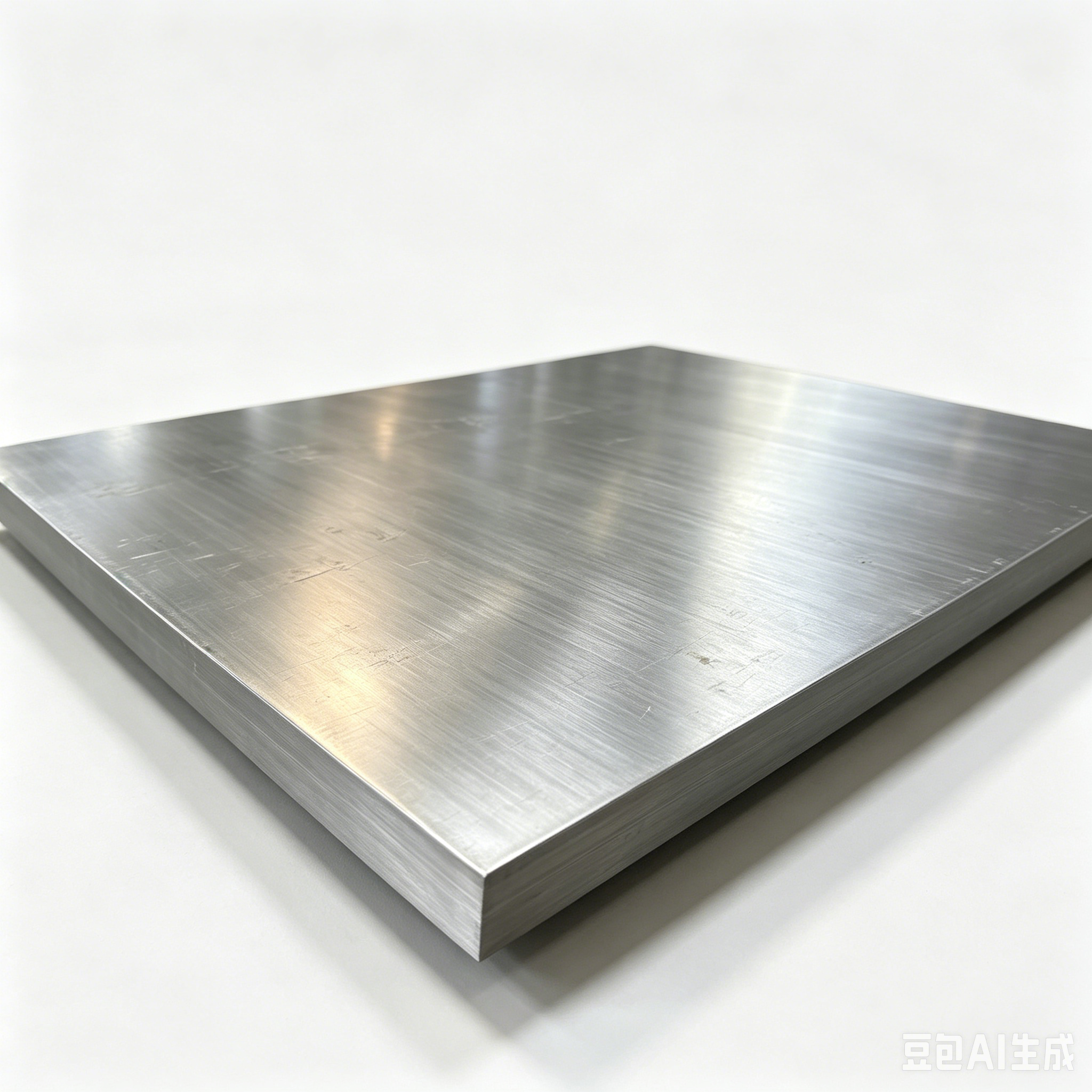
Abstract: What makes Grade 2 titanium so reliable for seawater desalination projects in Southeast Asia? This article explores its corrosion resistance, ASTM standards, and how to choose a trusted titanium supplier.
Why Southeast Asia Needs Titanium for Seawater Desalination
Water scarcity in Southeast Asia is no longer news. Rapid urbanization, the construction of numerous factories, and prolonged dry seasons with months without rain have driven Singapore, Indonesia, and Malaysia to invest heavily in seawater desalination. While reverse osmosis (RO) dominates the region, multi-effect distillation (MED) and multi-stage flash (MSF) remain relevant for certain industrial projects and specific applications.
Regardless of the technology used, one thing is certain: when it comes to critical components that come into direct contact with seawater, the material of choice is almost always Titanium Gr.2.
At Yucheng Haitai Industry (Dongguan) Co., Ltd., we have supplied numerous Gr.2 titanium plates, tubes, and bars to customers in Singapore, Indonesia, and Malaysia over the past few years. One case from last year stands out: a heat exchanger plant on Batam Island, Indonesia, was using copper-nickel tubes that started leaking before three years of operation. After switching to our 0.5mm wall thickness ASTM B338 Gr.2 welded tube, the system has performed flawlessly with no issues since. As their engineer put it: "Switching early means peace of mind."
What makes Titanium Gr.2 stand out in seawater environments?
It won't rust, even when submerged in seawater.
Gr.2 has a unique property: upon contact with seawater, it instantly forms a dense, stable titanium dioxide film on its surface that self-repairs if damaged. In simple terms, in natural seawater, it effectively resists uniform corrosion, pitting, and crevice corrosion. That's why ASTM B265 Gr.2 titanium plates and ASTM B338 Gr.2 titanium pipes are ideal for evaporators, condensers, and other equipment expected to last 20–30 years.
Just the right strength. No waste.
Gr.2 has a minimum tensile strength of 345 MPa and a yield strength of approximately 275 MPa. While these values may appear modest at first glance, they are ideal for heat exchangers—sufficient without requiring design compromises to manage excessive strength. Since Gr.2 offers higher strength than Gr.1, tube wall thickness can be reduced to between 0.4 mm and 0.7 mm, improving heat transfer efficiency while reducing overall unit weight. For projects destined for remote islands, lighter weight translates directly into lower shipping costs.
Worry-free welding—local fabrication shops can handle it.
Gr.2 is renowned for its excellent weldability. Thin-walled welded pipes can be bent into U-shapes on-site, and post-weld heat treatment is rarely required. Don't underestimate this: for small and medium-sized local fabricators in Southeast Asia, skipping a single process step translates directly to significant cost savings.
Total cost? Actually, it's affordable.
Yes, the unit price of titanium tubes is higher than that of copper-nickel alloy—we don't shy away from that. But look at the total cost over time. Once installed, Gr.2 heat exchangers exhibit extremely low corrosion rates, require minimal maintenance, and won't contaminate freshwater with rust. With a design lifespan of 25 to 30 years for a plant, the total cost of ownership ends up being more economical.
In short, most of our Southeast Asian customers ultimately choose ASTM B338 Gr.2 welded pipe. The reason is simple: it hits the sweet spot between performance and cost.
Gr.2 vs. Other Grades: How to Choose
Gr.2 vs Gr.1
Gr.1 is softer and more ductile, making it suitable for deep drawing and stretching. However, its lower strength requires thicker walls in heat exchanger tubes, which reduces heat transfer efficiency and increases material usage. Unless special forming requirements exist, Gr.2 is the more reasonable choice for heat exchanger tubes.
Gr.2 vs Gr.5 (Ti-6Al-4V)
Gr.5 is a high-strength material widely used in aircraft engines. However, that level of strength is unnecessary for seawater desalination—it's overkill. Plus, Gr.5 requires much stricter welding standards and costs more. Not needed.
Gr.2 vs. Gr.7 and Gr.12
Gr.7 with palladium offers better crevice corrosion resistance, but it's designed for acidic environments—not necessary for seawater. You'd just be overspending. Gr.12 has slightly better corrosion resistance than Gr.2, and some projects may specify it, but in terms of market adoption and processing maturity, Gr.2 remains the industry standard.
When purchasing Gr.2, keep these ASTM standards in mind
Clarify specifications during the quote to minimize disputes later:
Product Form | Corresponding standard | Where is it used? |
Titanium Plate/Sheet | ASTM B265 Gr.2 | evaporator shell, tube sheet, pressure vessel |
Titanium Tubes (Seamless and Welded) | ASTM B338 Gr.2 | Heat exchanger tube bundle, condenser |
Titanium Piping | ASTM B861 Gr.2 | Seawater pipeline |
One more thing: suppliers must provide EN 10204 3.1 or 3.2 material certificates. The pipes must also include eddy current testing or ultrasonic inspection reports; this is mandatory.
How to Choose a Reliable Titanium Supplier
Choosing a supplier is as important as choosing materials. Focus on these key points:
Is the material certification robust? Can MTC be traced back to the heat/batch number? Without this, there's no way to investigate if issues arise later.
Is Gr.2 plate and tube in stock? Can you fulfill urgent orders?
Can we do custom orders? We accept custom lengths, non-standard sizes, and small-batch trial runs.
Do you have experience exporting to Southeast Asia? Are you familiar with destination port documentation, moisture-proof packaging, and logistics coordination?
Do you accept third-party inspections from SGS, TÜV, Bureau Veritas, or customer-appointed inspectors?
Yucheng Haitai Industry (Dongguan) Co., Ltd. keeps Gr.2 in standard sizes in stock. We have shipped many containers through ports in Indonesia, Vietnam, Singapore, and Malaysia, so our process is reliable and seamless.
Frequently Asked Questions
Q1: What's the difference between Gr.1 and Gr.2?
Gr.1 is softer with better ductility, ideal for deep drawing. Gr.2 offers higher strength, allowing for thinner heat exchanger tubes and broader applications.
Q2: Can Gr.2 be used as a heat exchanger?
Yes. ASTM B338 Gr.2 titanium tubes are widely used in seawater desalination, power plants, and chemical heat exchangers—a proven solution.
Q3: What standards are typically required for seawater desalination projects?
The most common are ASTM B265 (sheet) and ASTM B338 (pipe).
Q4: How long does delivery take?
In-stock sizes 1-2 ship within a week. Custom orders typically take 4-6 weeks.
Q5: Do you handle small batch orders?
Sample orders, small batches, and custom-cut sizes are all negotiable.
Let's be real.
Gr.2 is no new discovery in the desalination industry; it has been proven for decades. Choosing it isn't about cutting costs—it's about peace of mind. You don't want to be woken up at 3 a.m. by a leak call after a decade of operation.
Whether you're replacing a few tubes or launching an entire new project, Gr.2 supplies both plates and tubes. Send us your specifications, and we'll provide a quote within 24 hours.
[Send specifications for a quote within 24 hours]
(Yucheng Haitai Industry | Precision Turned Titanium Bar | TA1 / TA2 / TC4 / TC4 ELI Titanium Bar |yuchenghaicompany.com)
English Version
Why Gr.2 Titanium Is All You Need for Seawater Desalination in Southeast Asia
Summary: Gr.2 titanium has been used in Southeast Asian desalination projects for decades. What makes it the go-to choice? This article covers its corrosion resistance, relevant ASTM standards, and practical tips on choosing a reliable titanium supplier.
Why Southeast Asia Needs Titanium for Seawater Desalination
Water scarcity in Southeast Asia is no longer news. Rapid urbanization, the proliferation of factories, and multi-month dry seasons have driven Singapore, Indonesia, and Malaysia to invest heavily in seawater desalination. While reverse osmosis (RO) dominates the region, multiple-effect distillation (MED) and multi-stage flash (MSF) remain relevant for certain industrial projects and specialized applications.
Regardless of the technology used, one thing is certain: when it comes to critical components that come into direct contact with seawater, the material of choice is almost always Titanium Gr.2.
At Yucheng Haitai Industry (Dongguan) Co., Ltd., we have supplied numerous Gr.2 titanium plates, tubes, and bars to customers in Singapore, Indonesia, and Malaysia over the past few years. One case from last year stands out: a heat exchanger plant on Batam Island, Indonesia, was using copper-nickel tubes that began leaking within three years of operation. We replaced one unit with our 0.5mm wall thickness ASTM B338 Gr.2 welded tube. It has performed flawlessly since then with no issues. As their engineer put it: "Switching early saves trouble."
What makes Titanium Gr.2 stand out in seawater environments?
It won't rust, even when submerged in seawater.
Gr.2 has a unique property: upon contact with seawater, it instantly forms a dense, stable titanium oxide layer on its surface that self-repairs if damaged. In plain terms, it resists uniform corrosion, pitting, and crevice corrosion in natural seawater. This makes ASTM B265 Gr.2 titanium plates and ASTM B338 Gr.2 titanium pipes ideal for evaporators and condensers designed to operate reliably for 20–30 years.
Just the right strength. No waste.
Gr.2 has a minimum tensile strength of 345 MPa and an approximate yield strength of 275 MPa. While these values may not appear high at first glance, they are ideal for heat exchangers—sufficient without requiring trade-offs due to excessive strength. Since Gr.2 offers higher strength than Gr.1, tube wall thickness can be reduced to between 0.4 mm and 0.7 mm. This improves heat transfer efficiency and reduces the overall weight of the unit. For projects destined for remote island sites, even a slight weight reduction translates into significant shipping cost savings.
Worry-free welding—local fabrication shops can handle it.
Gr.2 is renowned for its excellent weldability. Thin-walled welded pipes can be U-bent on-site, and post-weld heat treatment is typically unnecessary in most cases. Don't underestimate this—saving a single process step means real cost savings for small and medium-sized local fabricators in Southeast Asia.
Total cost? Actually, it's affordable.
Yes, the unit price of titanium tubing is higher than that of copper-nickel alloy—we don't hide that. But you need to look at the long-term picture. Once Gr.2 heat exchangers are installed, corrosion rates are extremely low, requiring minimal maintenance and ensuring no rust contaminates the fresh water. With a designed service life of 25 to 30 years for a plant, the total cost of ownership ends up being more economical.
In short, most of our Southeast Asian clients ultimately choose ASTM B338 Gr.2 welded pipe. The reason is simple: it hits the sweet spot between performance and cost.
Gr.2 vs. Other Grades: How to Choose
Gr.2 vs Gr.1
Gr.1 is softer with better ductility, making it suitable for deep drawing and stretching. However, its lower strength requires thicker walls for heat exchanger tubes, which reduces heat transfer efficiency and increases material usage. Unless special forming requirements exist, Gr.2 is the more reasonable choice for heat exchanger tubes.
Gr.2 vs Gr.5 (Ti-6Al-4V)
Gr.5 is excellent—high strength and widely used in jet engines. However, desalination doesn't require such extreme strength; it's overkill. Additionally, Gr.5 has much stricter welding requirements and costs more. Not necessary.
Gr.2 vs Gr.7 and Gr.12
Gr.7 is palladium-alloyed for superior pitting resistance, but that's designed for acidic environments—overkill and unnecessary for seawater. Gr.12 offers slightly better corrosion resistance than Gr.2, so some projects specify it, but in terms of market share and manufacturing maturity, Gr.2 remains the industry standard.
When purchasing Gr.2, keep these ASTM standards in mind
Clarify specifications during the quote to minimize disputes later:
Product Form | Corresponding standard | Where is it used? |
Titanium Plate/Sheet | ASTM B265 Gr.2 | evaporator shell, tube sheet, pressure vessel |
Titanium Tubes (Seamless and Welded) | ASTM B338 Gr.2 | Heat exchanger tube bundle, condenser |
Titanium Piping | ASTM B861 Gr.2 | Seawater pipeline |
One more thing: suppliers must provide EN 10204 3.1 or 3.2 material certificates. The pipes must also include eddy current testing or ultrasonic inspection reports; this is mandatory.
How to Choose a Reliable Titanium Supplier
Choosing a supplier is as important as choosing materials. Focus on these key points:
Is the material certification robust? Can MTC be traced back to the heat/batch number? Without this, there's no way to investigate if issues arise later.
Is Gr.2 plate and tube in stock? Can you fulfill urgent orders?
Can we do custom orders? We accept custom lengths, non-standard sizes, and small-batch trial runs.
Do you have experience exporting to Southeast Asia? Are you familiar with destination port documentation, moisture-proof packaging, and logistics coordination?
Do you accept third-party inspections from SGS, TÜV, Bureau Veritas, or customer-appointed inspectors?
Yucheng Haitai Industry (Dongguan) Co., Ltd. keeps Gr.2 in standard sizes in stock. We have shipped many containers through ports in Indonesia, Vietnam, Singapore, and Malaysia, so our process is reliable and seamless.
Frequently Asked Questions
Q1: What's the difference between Gr.1 and Gr.2?
Gr.1 is softer with better ductility, ideal for deep drawing. Gr.2 offers higher strength, allowing for thinner heat exchanger tubes and broader applications.
Q2: Can Gr.2 be used as a heat exchanger?
Yes. ASTM B338 Gr.2 titanium tubes are widely used in seawater desalination, power plants, and chemical heat exchangers. The technology is well-established.
Q3: What standards are typically required for seawater desalination projects?
The most common are ASTM B265 (sheet) and ASTM B338 (pipe).
Q4: How long does delivery take?
We can ship standard sizes 1-2 in weeks. Custom orders typically take 4-6 weeks.
Q5: Do you handle small batch orders?
We accept trial orders, small-batch production, and custom cutting to size. Let's discuss your requirements.
Let's be real.
Gr.2 isn't new in the desalination industry—it's been proven for decades. We choose it not to save money, but for peace of mind: no middle-of-the-night emergency calls about leaks after a decade of operation.
Whether you're replacing a few tubes or installing a complete new system, we supply both the plates and tubes for Gr.2. Send us your specifications, and we'll provide a quote within 24 hours.
[Send specifications for a quote within 24 hours]
(Yucheng Haitai Industry | Precision Turning Titanium Rods | TA1 / TA2 / TC4 / TC4 ELI)yuchenghaicompany.com)