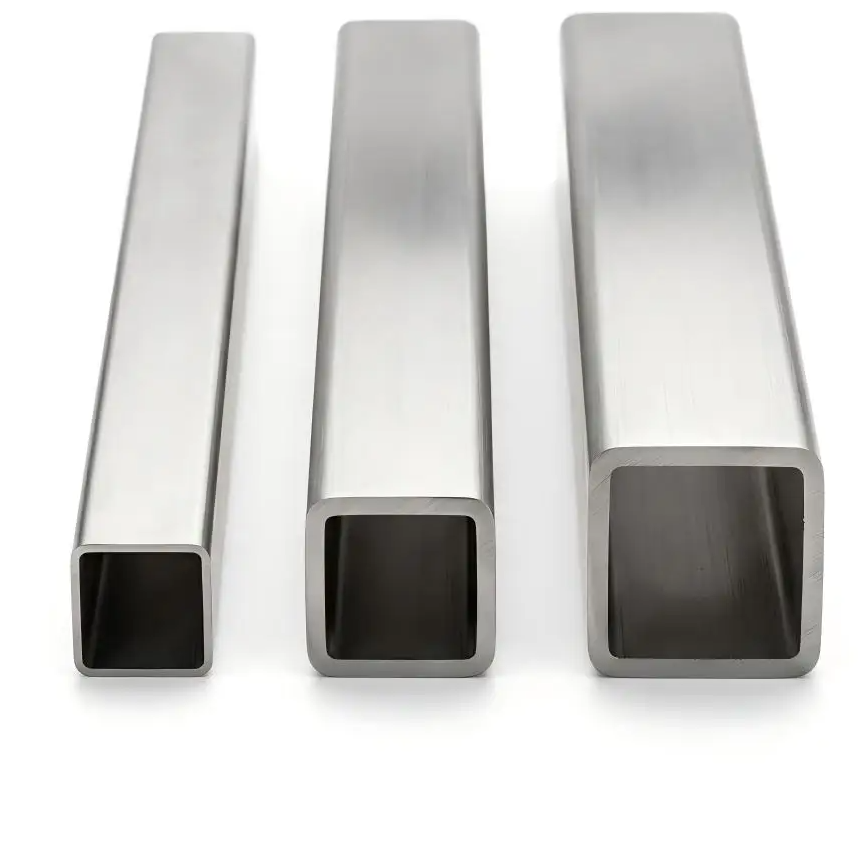
ASTM F136 is the core standard for Ti-6Al-4V ELI titanium alloy used in surgical implants, widely applied in orthopedics, spine, dental, and cardiovascular devices. This article targets medical device manufacturers and procurement professionals, providing a comprehensive analysis of ASTM F136's technical requirements, ELI characteristics, key differences from standard Gr.5, documentation and certification needs, and essential supplier evaluation criteria to help you make compliant and reliable decisions when sourcing medical-grade titanium.
Implantable materials: standards are a matter of life and death.
Material failure in industrial equipment can lead to downtime, repairs, and financial loss. But when materials fail in medical devices implanted in the human body—whether a bone plate, spinal rod, or vascular stent—the consequences can include repeat surgeries, tissue damage, or even death. That is why regulatory frameworks and standards for metals used in surgical implants are the strictest across all material categories.
Ti-6Al-4V ELI (Extra Low Interstitial Ti-6Al-4V) is the most widely used titanium alloy in global orthopedic and surgical implants. Compared to standard Ti-6Al-4V (Gr. 5), the ELI grade significantly improves fracture toughness, fatigue strength, and damage tolerance by strictly controlling interstitial elements such as oxygen and iron. A core industry-recognized standard for this material globally is ASTM F136.
ASTM F136 is a critical component of the compliance documentation package for medical device registration. It supports manufacturers in pursuing regulatory pathways such as FDA, CE, or NMPA submissions. For medical device manufacturers and procurement professionals, understanding ASTM F136 is not optional—it directly determines whether your product can provide regulatory-compliant material certification and whether each batch of implants can be safely used in patients.
What is ASTM F136? What does ELI mean?
ASTM F136 stands for "Standard Specification for Wrought Titanium-6Aluminum-4Vanadium ELI (Extra Low Interstitial) Alloy for Surgical Implant Applications." This is an ASTM material standard specifically developed for wrought Ti-6Al-4V ELI alloys used in surgical implants. It primarily covers wrought product forms such as bars, wires, sheets, and strips; thick plates are uncommon in the medical implant sector.
ELI (Extra Low Interstitial) is the key term for this specification. "Interstitial elements" refer to small atoms such as oxygen, nitrogen, hydrogen, carbon, and iron that occupy the interstitial sites within the titanium alloy lattice. While slightly elevated levels of these elements significantly increase strength, they also reduce ductility, fracture toughness, and resistance to fatigue crack growth. The ELI grade achieves superior damage tolerance and toughness by strictly limiting interstitial content—particularly by lowering the maximum allowable oxygen level—while maintaining adequate strength.
Why ELI Matters: Balancing Mechanical Performance and Safety
From procurement and engineering perspectives, the core logic for selecting ELI over standard Gr.5 lies in:
1. Fracture Toughness and Damage Tolerance
Implants in the human body endure cyclic loading (e.g., hip joint forces during walking, thoracic motion during breathing), demanding exceptional fatigue fracture resistance. ELI-grade Ti-6Al-4V, with reduced interstitial element content, significantly enhances fracture toughness. For orthopedic plates and spinal fixation devices, this translates to a higher safety margin against fatigue failure.
2. Narrower performance fluctuations
ASTM F136 imposes stricter internal limits on chemical composition and mechanical properties. This is reflected not only in a hard cap on oxygen content but also in tighter control over major alloying elements such as aluminum and vanadium. For medical device manufacturers, narrower performance variability translates to more consistent machining parameters, more stable surface treatment results, and more predictable product quality.
3. Long-term reliability in clinical applications
The biocompatibility of Ti-6Al-4V ELI is primarily attributed to the stable oxide layer on its titanium alloy surface and its decades of safe clinical use. The ELI grade provides more reliable mechanical properties and damage tolerance, ensuring a higher safety margin for implants during long-term service.
Relationship between ASTM F136 and other related standards
Difference between ASTM F136 and ASTM F67
ASTM F67 is the standard for surgical implants made of commercially pure titanium (Gr.1–Gr.4). It is intended for applications requiring low strength but excellent formability and corrosion resistance, such as craniofacial reconstruction meshes and dental denture bases. ASTM F136, by contrast, covers load-bearing implants that demand high strength and fatigue performance. The material systems and typical applications of these two standards are distinct; do not confuse them during procurement.
Relationship between ASTM F136 and AMS 4911
AMS 4911 is an aerospace material specification for Ti-6Al-4V that also imposes strict material requirements. However, ASTM F36 additionally enforces limits on extra-low interstitial (ELI) elements and biocompatibility considerations, with its core focus being the long-term safety and mechanical reliability of implants within the human body. While there is some overlap in material properties, their application areas and certification paths differ significantly. Procurement of medical implants should be based on ASTM F36 (or ISO 5832-3), not by directly adopting aerospace standards.
Relationship between ASTM F136 and ISO 5832-3
ASTM F136 and ISO 5832-3 are both standards for ELI-deformed materials used in surgical implants. While they share technical comparability across key requirements, they are issued by different standardization bodies and may differ in product scope, testing methods, and version control. European CE registration typically references ISO standards, whereas U.S. FDA registration usually cites ASTM standards. Many suppliers can provide declarations compliant with both standards; however, procurement should clearly specify the required standard number and version for the project.
Core technical requirements for ASTM F136
1. Chemical Composition — The Core of ELI
The chemical composition range of ASTM F136 is consistent with standard Ti-6Al-4V, with the key difference being the limits for interstitial elements (specific values may vary slightly depending on the product specification and applicable version).
element | Standard Ti-6Al-4V (Gr.5) Typical Limits | ASTM F136 ELI Typical Limits |
Aluminum (Al) | 5.50 - 6.75 | 5.50 - 6.50 |
Vanadium (V) | 3.50 - 4.50 | 3.50 - 4.50 |
Oxygen (O) | ≤ 0.20% | ≤ 0.13% |
Iron (Fe) | ≤ 0.40% | ≤ 0.25% |
Carbon (C) | ≤ 0.08% | ≤ 0.08% |
Nitrogen (N) | ≤ 0.05% | ≤ 0.05% |
Hydrogen (H) | ≤ 0.015% | ≤ 0.012% |
Reduced oxygen content is the defining characteristic of ELI and a critical parameter that must be strictly verified during procurement acceptance.
2. Mechanical properties
ASTM F136 requires that, in the annealed condition, the material meets the following typical minimum mechanical properties:
Tensile strength: ≥ 860 MPa (125 ksi)
Yield Strength: ≥ 795 MPa (115 ksi)
Elongation: ≥ 10%
Performance specifications may vary slightly by product form (bar, sheet, wire). During acceptance, verify elongation and reduction of area requirements. Confirm specific standards with procurement.
3. Microstructure
ASTM F136 requires materials in the annealed condition to have a uniform α-β microstructure, with no abnormal grain coarsening, continuous α-network structures, or other anomalies that could affect mechanical properties. Suppliers typically provide a microstructure evaluation report as proof.
4. Surface Quality
Implant-grade titanium is highly sensitive to surface defects. ASTM F136 requires the material surface to be free of cracks, laps, seams, scale, and other harmful imperfections. For applications requiring precision machining or surface modification, the raw material's surface quality directly determines the final yield rate.
5. Inspection and Non-Destructive Evaluation
Ultrasonic testing is commonly used for larger-diameter bars and critical implant applications to detect internal metallurgical defects. Specific inspection requirements are determined by product form, dimensions, and customer procurement specifications.
What information should be provided when requesting a quote (ASTM F136 RFQ Checklist)?
A complete request for quotation (RFQ) is essential for receiving an accurate quote. For ASTM F136 titanium procurement, we recommend preparing the following information:
✓ Standard Number and Version Year (e.g., ASTM F136-13)
✓ Product Form (Bar, Sheet, Wire, Strip)
✓ Size specifications (diameter or thickness, width, length)
✓ Quantity (pieces or total weight)
✓ Heat Treatment Condition (Annealed is standard)
✓ Surface Condition (grinding, turning, pickling, etc.)
✓ Ultrasonic Testing Requirements (if applicable)
✓ Additional inspection requirements (e.g., customer-specific specifications)
✓ File Certificate Requirements (EN 10204 3.1/3.2, etc.)
✓ Packaging cleanliness requirements (anti-contamination sealed packaging)
✓ Destination Country and Trade Terms
The more complete the information, the more accurate the supplier's quote and technical proposal will be.
Documentation and Certification Requirements for Procuring ASTM F136 Titanium
The medical device industry demands the highest standards for material document integrity and traceability; every batch must withstand regulatory audits.
Material Test Certificate (MTC): Must be issued in accordance with EN 10204 3.1 or 3.2, clearly specifying ASTM F136 standard number and version, heat/batch number, actual chemical composition values, and mechanical property results.
Lot Traceability: Each batch of material must have a unique lot number, enabling traceability from the final product back to the original melt batch. This is the foundation of implant traceability.
Non-Destructive Testing Report: If ultrasonic testing or other NDT methods were performed, a report for each item must be provided.
Microstructure Evaluation Report: Includes micrographs and evaluation conclusions demonstrating compliance with ASTM F136 requirements.
Biocompatibility Compliance Statement: The supplier shall declare that the material composition complies with ASTM F136 requirements. Biocompatibility evaluations (e.g., cytotoxicity, sensitization, irritation testing) are typically performed by the device manufacturer on the finished product. The material supplier's primary responsibility is to provide proof of chemical composition compliance.
Certificate of Conformance: Supplier formally declares that the product complies with ASTM F136 and all additional procurement specifications.
The heat/lot numbers on all documents must match. Even if the material itself is compliant, a break in the document chain can be cited as a major nonconformity during FDA or notified body audits.
How to evaluate titanium material suppliers for medical device projects
1. Do you have experience supplying medical materials?
Medical document systems and quality requirements differ significantly from those in aviation, chemical, and other industries. Suppliers with experience in medical supply are more familiar with standards such as ASTM F136, ISO 5832 series, and FDA/CE registration frameworks, which helps reduce communication and alignment costs.
2. Does the quality system meet healthcare industry requirements?
For medical device supply chains, purchasers should also verify whether suppliers operate an ISO 13485-compliant quality management system or have experience supporting clients with ISO 13485 certification. This is a core quality requirement that distinguishes the healthcare industry from others.
3. Does it have medical-grade contamination control capabilities?
The key difference between medical-grade and standard titanium lies not only in mechanical properties but also in contamination control. Evaluate suppliers for iron contamination prevention measures, dedicated processing areas, tooling management protocols, and clean packaging capabilities for finished products.
4. Is the file system complete and auditable?
Suppliers must provide a complete set of material documents that are standardized in format, complete in data, and traceable to heat/batch numbers. It is recommended to request sample documents for evaluation during the initial import phase.
5. Do you accept third-party inspection and on-site audit?
Medical device customers typically reserve the right to conduct on-site supplier audits. A supplier's willingness to cooperate with customer audits or undergo third-party witnessed testing demonstrates confidence in its quality management system.
6. Small-batch and prototype support
Medical R&D and clinical trial phases often require small quantities of diverse materials. A supplier's willingness to support low-volume orders, provide samples, cut materials to custom dimensions, and assist with initial validation is a key indicator of their collaboration flexibility.
Yucheng Haitai Materials has long supplied titanium bars, sheets, wires, and tubes to the medical device, aerospace, and industrial sectors. We understand the material quality and document traceability requirements of ASTM F136 and ISO 5832 standards. We support small-batch sampling for medical R&D projects, CNC machining blanks, and cut-to-length services. We provide full compliance documentation—from material certificates to heat lot traceability—and can facilitate third-party inspections upon request.
Frequently Asked Questions
Q1: What is the relationship between ASTM F136 and ISO 5832-3?
Both are international standards for Ti-6Al-4V ELI deformed materials used in surgical implants. While technically comparable across key requirements, they are published by ASTM and ISO respectively, which may lead to differences in product scope, test methods, and version control. The EU CE marking typically references ISO standards, while the US FDA registration usually cites ASTM standards. Many suppliers provide compliance statements for both; purchasers should specify the exact standard number and version required for their project.
Q2: Is writing just "Ti-6Al-4V ELI" sufficient for procurement?
Insufficient. You must explicitly specify the ASTM F136 (or ISO 5832-3) standard number and its revision year, product form, dimensions, heat treatment condition, and all additional procurement specifications. Omission of the standard number may result in suppliers quoting and delivering Industrial Grade 5, rendering the material unusable for implant manufacturing.
Q3: How does processing ELI material differ from standard Gr.5?
Both materials share similar machinability characteristics. However, ELI material has slightly lower strength than standard Gr.5 due to its lower oxygen content, though its machinability may be marginally improved. For implants requiring anodizing or coating in subsequent processes, we recommend validating process parameters using ELI material during the development phase to ensure compatibility.
Q4: Can the supplier provide a biocompatibility test report?
Biocompatibility evaluation (e.g., cytotoxicity, sensitization, irritation) is typically performed by the device manufacturer on the finished product, not by the material supplier on raw materials. The core responsibility of the material supplier is to provide proof of chemical composition compliance, demonstrating that the material meets ASTM F136 standards. For specific biocompatibility certification requirements, consult a Notified Body or FDA consultant.
Q5: What forms and sizes of ASTM F136 titanium do you supply?
We supply ASTM F136 Ti-6Al-4V ELI bar, plate, and wire, with custom cutting to customer specifications. For medical R&D projects, we also offer small-batch samples, CNC machining blanks, and custom sizing. Please send us your specific dimensions, quantities, edition year, and any additional requirements so we can provide a technical proposal and quote.
Conclusion
ASTM F136 is more than a standard number; it represents a comprehensive material assurance system built to ensure the safety of surgical implants. For medical device manufacturers and purchasers, understanding this standard and selecting suppliers who strictly adhere to it is a critical step in ensuring that every implant is safe and reliable from the very start—right down to the materials used.
Looking for Ti-6Al-4V ELI titanium compliant with ASTM F136 for your medical device project? Need technical selection guidance or full documentation support? Send us your specifications and drawings. We can provide material verification, document review, third-party inspection support, and quotation based on your requirements.
[Send your specifications to receive the ASTM F136 material technical solution and quote]
(Yucheng Haitai Industry (Dongguan) Co., Ltd. | CNC Precision Titanium Rods | TA1 / TA2 / TC4 / TC4 ELI Titanium Rods |yuchenghaicompany.com)
English Version
ASTM F136 Titanium Alloy Supplier Guide: Complete Procurement Requirements for Ti-6Al-4V ELI Medical Implant Materials
ASTM F136 is a core standard for Ti-6Al-4V ELI titanium alloy used in surgical implants, with wide applications in orthopedic, spinal, dental, and select surgical implant procedures. This guide is designed for medical device manufacturers and procurement professionals. It outlines the technical requirements of ASTM F136, explains the significance of ELI, highlights key differences from standard Grade 5, details documentation and certification requirements, and provides supplier evaluation criteria to help you make compliant, well-informed sourcing decisions for medical-grade titanium materials.
Implantable materials: standards are a matter of life and death.
Material failure in industrial equipment can lead to downtime, repairs, and financial loss. But when materials fail in medical devices implanted in the human body—whether a bone plate, spinal rod, or vascular stent—the consequences can include repeat surgeries, tissue damage, or even death. That is why regulatory frameworks and standards for metals used in surgical implants are the strictest across all material categories.
Ti-6Al-4V ELI (Extra Low Interstitial Ti-6Al-4V) is the most widely used titanium alloy in global orthopedic and surgical implants. Compared to standard Ti-6Al-4V (Gr. 5), the ELI grade significantly improves fracture toughness, fatigue strength, and damage tolerance by strictly controlling interstitial elements such as oxygen and iron. A core industry-recognized standard for this material globally is ASTM F136.
ASTM F136 is a critical component of the compliance documentation package for medical device registration. It supports manufacturers in pursuing regulatory pathways such as FDA, CE, or NMPA submissions. For medical device manufacturers and procurement professionals, understanding ASTM F136 is not optional—it directly determines whether your product can provide regulatory-compliant material certification and whether each batch of implants can be safely used in patients.
What is ASTM F136? What does ELI mean?
ASTM F136 stands for "Standard Specification for Wrought Titanium-6Aluminum-4Vanadium ELI (Extra Low Interstitial) Alloy for Surgical Implant Applications." This is an ASTM material standard specifically developed for wrought Ti-6Al-4V ELI alloys used in surgical implants. It primarily covers wrought product forms such as bars, wires, sheets, and strips; thick plates are uncommon in the medical implant sector.
ELI (Extra Low Interstitial) is the key term for this specification. "Interstitial elements" refer to small atoms such as oxygen, nitrogen, hydrogen, carbon, and iron that occupy the interstitial sites within the titanium alloy lattice. While slightly elevated levels of these elements significantly increase strength, they also reduce ductility, fracture toughness, and resistance to fatigue crack growth. The ELI grade achieves superior damage tolerance and toughness by strictly limiting interstitial content—particularly by lowering the maximum allowable oxygen level—while maintaining adequate strength.
Why ELI Matters: Balancing Mechanical Performance and Safety
From procurement and engineering perspectives, the core logic for selecting ELI over standard Gr.5 lies in:
1. Fracture Toughness and Damage Tolerance
Implants in the human body endure cyclic loading (e.g., hip joint forces during walking, thoracic motion during breathing), demanding exceptional fatigue fracture resistance. ELI-grade Ti-6Al-4V, with reduced interstitial element content, significantly enhances fracture toughness. For orthopedic plates and spinal fixation devices, this translates to a higher safety margin against fatigue failure.
2. Narrower performance fluctuations
ASTM F136 imposes stricter internal limits on chemical composition and mechanical properties. This is reflected not only in a hard cap on oxygen content but also in tighter control over major alloying elements such as aluminum and vanadium. For medical device manufacturers, narrower performance variability translates to more consistent machining parameters, more stable surface treatment results, and more predictable product quality.
3. Long-term reliability in clinical applications
The biocompatibility of Ti-6Al-4V ELI is primarily attributed to the stable oxide layer on its titanium alloy surface and its decades of safe clinical use. The ELI grade provides more reliable mechanical properties and damage tolerance, ensuring a higher safety margin for implants during long-term service.
Relationship between ASTM F136 and other related standards
Difference between ASTM F136 and ASTM F67
ASTM F67 is the standard for surgical implants made of commercially pure titanium (Gr.1–Gr.4). It is intended for applications requiring low strength but excellent formability and corrosion resistance, such as craniofacial reconstruction meshes and dental denture bases. ASTM F136, by contrast, covers load-bearing implants that demand high strength and fatigue performance. The material systems and typical applications of these two standards are distinct; do not confuse them during procurement.
Relationship between ASTM F136 and AMS 4911
AMS 4911 is an aerospace material specification for Ti-6Al-4V that also imposes strict material requirements. However, ASTM F36 additionally enforces limits on extra-low interstitial (ELI) elements and biocompatibility considerations, with its core focus being the long-term safety and mechanical reliability of implants within the human body. While there is some overlap in material properties, their application areas and certification paths differ significantly. Procurement of medical implants should be based on ASTM F36 (or ISO 5832-3), not by directly adopting aerospace standards.
Relationship between ASTM F136 and ISO 5832-3
ASTM F136 and ISO 5832-3 are both standards for ELI-deformed materials used in surgical implants. While they share technical comparability across key requirements, they are issued by different standardization bodies and may differ in product scope, testing methods, and version control. European CE registration typically references ISO standards, whereas U.S. FDA registration usually cites ASTM standards. Many suppliers can provide declarations compliant with both standards; however, procurement should clearly specify the required standard number and version for the project.
Core technical requirements for ASTM F136
1. Chemical Composition — The Core of ELI
The chemical composition range of ASTM F136 is consistent with standard Ti-6Al-4V, with the key difference being the limits for interstitial elements (specific values may vary slightly depending on the product specification and applicable version).
element | Standard Ti-6Al-4V (Gr.5) Typical Limits | ASTM F136 ELI Typical Limits |
Aluminum (Al) | 5.50 - 6.75 | 5.50 - 6.50 |
Vanadium (V) | 3.50 - 4.50 | 3.50 - 4.50 |
Oxygen (O) | ≤ 0.20% | ≤ 0.13% |
Iron (Fe) | ≤ 0.40% | ≤ 0.25% |
Carbon (C) | ≤ 0.08% | ≤ 0.08% |
Nitrogen (N) | ≤ 0.05% | ≤ 0.05% |
Hydrogen (H) | ≤ 0.015% | ≤ 0.012% |
Reduced oxygen content is the defining characteristic of ELI and a critical parameter that must be strictly verified during procurement acceptance.
2. Mechanical properties
ASTM F136 requires that, in the annealed condition, the material meets the following typical minimum mechanical properties:
Tensile strength: ≥ 860 MPa (125 ksi)
Yield Strength: ≥ 795 MPa (115 ksi)
Elongation: ≥ 10%
Performance specifications may vary slightly by product form (bar, sheet, wire). During acceptance, verify elongation and reduction of area requirements. Confirm specific standards with procurement.
3. Microstructure
ASTM F136 requires the material to have a uniform α-β microstructure in the annealed condition, with no abnormally coarse grains, continuous α networks, or other anomalies that could affect mechanical properties. Suppliers typically provide a microstructure evaluation report as proof.
4. Surface Quality
Implant-grade titanium is highly sensitive to surface defects. ASTM F136 requires that the material be free of cracks, laps, scabs, scale, and other harmful imperfections. For applications requiring precision machining or surface modification, the quality of the raw material directly determines final yield.
5. Inspection and Non-Destructive Evaluation
Ultrasonic testing is commonly used for larger-diameter bars and critical implant applications to detect internal metallurgical defects. Specific inspection requirements are determined by product form, dimensions, and customer procurement specifications.
What information should be provided when requesting a quote (ASTM F136 RFQ Checklist)?
A complete RFQ is essential for accurate quotations. For ASTM F136 titanium procurement, please prepare the following information:
✓ Standard Number and Version Year (e.g., ASTM F136-13)
✓ Product Form (Bar, Sheet, Wire, Strip)
✓ Size specifications (diameter or thickness, width, length)
✓ Quantity (pieces or total weight)
✓ Heat Treatment Condition (Annealed is standard)
✓ Surface Condition (grinding, turning, pickling, etc.)
✓ Ultrasonic Testing Requirements (if applicable)
✓ Additional Inspection Requirements (e.g., Customer-Specific Specifications)
✓ File Certificate Requirements (EN 10204 3.1/3.2, etc.)
✓ Packaging cleanliness requirements (anti-contamination sealed packaging)
✓ Destination Country and Trade Terms
The more complete your information, the more accurate the supplier's quote and technical proposal will be.
Documentation and Certification Requirements for Purchasing ASTM F136 Titanium
The medical device industry demands the highest standards for material documentation integrity and traceability. Every batch must withstand regulatory audits.
Material Test Certificate (MTC): Must comply with EN 10204 3.1 or 3.2 format, clearly stating the ASTM F136 standard number and version, heat/batch number, actual chemical composition values, and mechanical property results.
Lot Traceability: Each batch of material must have a unique lot number, enabling traceability from the final product back to the original melt batch. This is the foundation of implant traceability.
Non-Destructive Testing Report: If ultrasonic testing or other NDT methods were performed, a report for each item must be provided.
Microstructure Evaluation Report: Includes micrographs and evaluation conclusions demonstrating compliance with ASTM F136 requirements.
Biocompatibility Compliance Statement: The supplier shall declare that the material composition complies with ASTM F136 requirements. Biocompatibility evaluations (e.g., cytotoxicity, sensitization, irritation testing) are typically performed by the device manufacturer on the finished product. The material supplier's primary responsibility is to provide proof of chemical composition compliance.
Certificate of Conformance: Supplier formally declares that the product complies with ASTM F136 and all additional procurement specifications.
The heat/lot numbers on all documents must match. Even if the material itself is compliant, a break in the document chain can be cited as a major nonconformity during FDA or notified body audits.
How to evaluate titanium material suppliers for medical device projects
1. Do you have experience supplying medical materials?
Medical document systems and quality requirements differ significantly from those in aviation, chemical, and other industries. Suppliers with experience in medical supply are more familiar with standards such as ASTM F136, ISO 5832 series, and FDA/CE registration frameworks, which helps reduce communication and alignment costs.
2. Does the quality system meet healthcare industry requirements?
For medical device supply chains, purchasers should also verify whether suppliers operate an ISO 13485-compliant quality management system or have experience supporting clients with ISO 13485 certification. This is a core quality requirement that distinguishes the healthcare industry from others.
3. Does it have medical-grade contamination control capabilities?
The key difference between medical-grade and standard titanium lies not only in mechanical properties but also in contamination control. Evaluate suppliers for iron contamination prevention measures, dedicated processing areas, tooling management protocols, and clean packaging capabilities for finished products.
4. Is the file system complete and auditable?
Suppliers must provide a complete set of material documents that are standardized in format, complete in data, and traceable to heat/batch numbers. It is recommended to request sample documents for evaluation during the initial import phase.
5. Do you accept third-party inspection and on-site audit?
Medical device customers typically reserve the right to conduct on-site supplier audits. A supplier's willingness to cooperate with customer audits or undergo third-party witnessed testing demonstrates confidence in its quality management system.
6. Small-batch and prototype support
Medical R&D and clinical trial phases often require small quantities of diverse materials. A supplier's willingness to support low-volume orders, provide samples, cut materials to custom dimensions, and assist with initial validation is a key indicator of their collaboration flexibility.
Yucheng Haitai Materials has long supplied titanium bars, sheets, wires, and tubes for the medical device, aerospace, and industrial sectors. We understand the material quality and document traceability requirements under ASTM F136 and ISO 5832, and support small-batch sampling, CNC preforms, and custom-length cutting for medical R&D projects. We provide full compliance documentation—from material certificates to heat/batch traceability—and can coordinate third-party inspections with our clients.
Frequently Asked Questions
Q1: What is the relationship between ASTM F136 and ISO 5832-3?
Both are international standards for Ti-6Al-4V ELI deformed materials used in surgical implants. They share comparable technical requirements but differ in scope, testing methods, and version control, as they are issued by ASTM and ISO respectively. EU CE registration typically references ISO standards, while US FDA registration usually cites ASTM standards. Many suppliers provide declarations for both; procurement specifications should clearly define the required standard number and version.
Q2: Is writing just "Ti-6Al-4V ELI" sufficient for procurement?
Insufficient. You must explicitly specify the ASTM F136 (or ISO 5832-3) standard number, including its revision year, product form, dimensions, heat treatment condition, and all additional procurement specifications. Failure to include the standard number may result in suppliers quoting and delivering Industrial Grade 5, rendering the material unsuitable for implant manufacturing.
Q3: How does processing ELI material differ from standard Gr.5?
The two materials share similar machinability characteristics. However, due to its lower oxygen content, ELI grade exhibits slightly lower strength than standard Gr.5, with potentially improved machinability. For implants requiring subsequent anodizing or coating, we recommend validating process parameters using ELI material during the development phase to ensure compatibility.
Q4: Can the supplier provide a biocompatibility test report?
Biocompatibility evaluation (e.g., cytotoxicity, sensitization, irritation) is typically performed by the device manufacturer on the finished product, not by the material supplier on raw materials. The material supplier's core responsibility is to provide proof of chemical composition compliance, demonstrating that the material meets ASTM F136 standards. For specific biocompatibility certification requirements, consult a Notified Body or FDA consultant.
Q5: What forms and sizes of ASTM F136 titanium do you supply?
We supply ASTM F136 Ti-6Al-4V ELI bars, sheets, and wire in custom cut lengths. For medical R&D projects, we also offer small-batch samples, CNC-ready blanks, and custom sizing. Please provide your specific dimensions, quantities, revision year, and any additional requirements so we can deliver a technical proposal and quotation.
Conclusion
ASTM F136 is more than a standard number; it represents a comprehensive material assurance system built for the safety of surgical implants. For medical device manufacturers and procurement professionals, understanding this standard and selecting suppliers that strictly adhere to it is a critical step in ensuring that every implant is safe and reliable from the very beginning.
If you're looking for ASTM F136-compliant Ti-6Al-4V ELI titanium for your medical device project, need technical selection guidance, or require full documentation support, please send us your specifications and drawings. We can provide material certification, document review, third-party inspection support, and a quotation tailored to your requirements.
[Send your specifications to receive the ASTM F136 material technical proposal and quote]
Yucheng Haitai Industry (Dongguan) Co., Ltd. | Swiss-type Precision Titanium Rods | TA1 / TA2 / TC4 / TC4 ELIyuchenghaicompany.com)